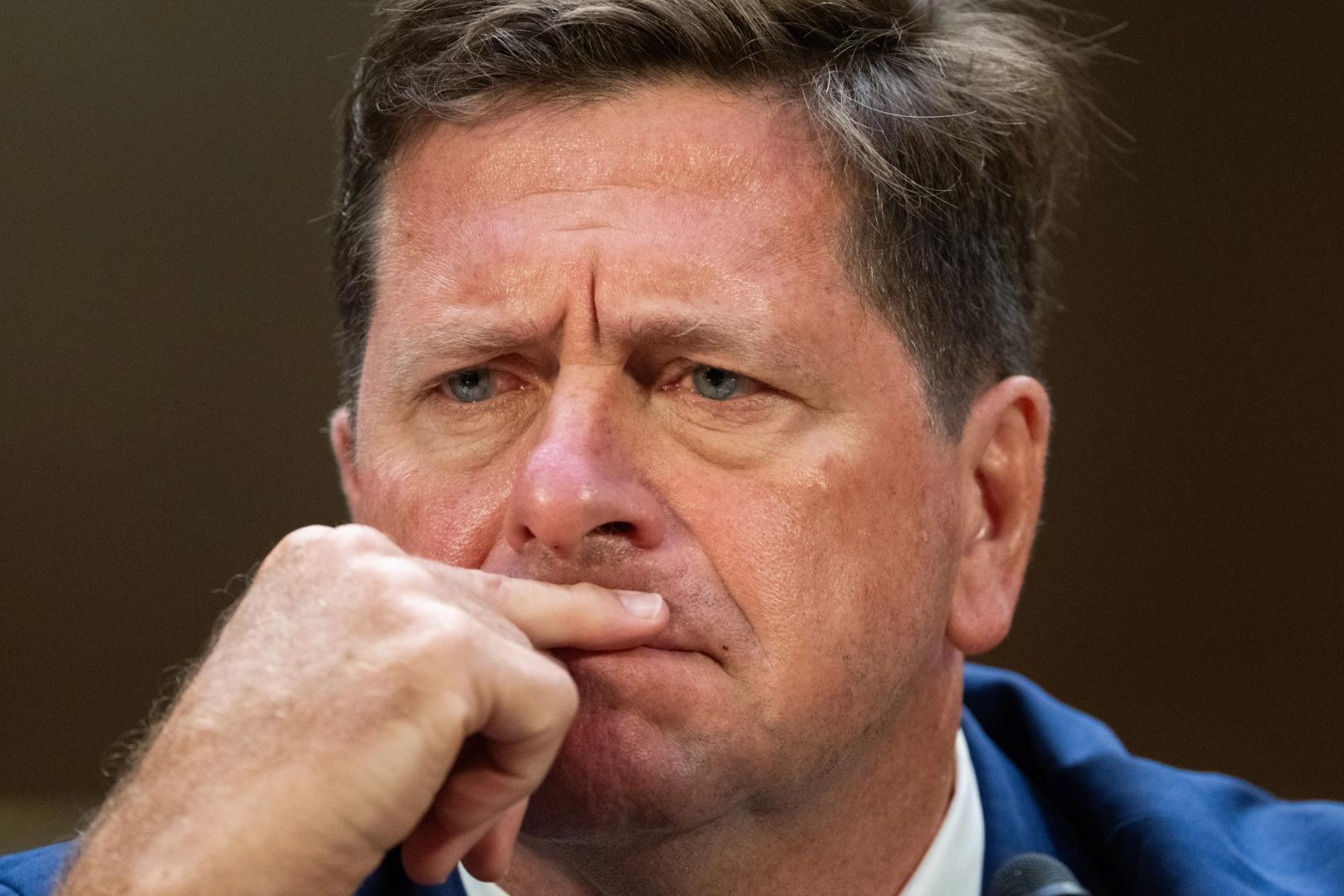
Jay Clayton, the former SEC Chairman known for initiating the landmark Ripple lawsuit, is reportedly the top choice for AI Czar in the 2026 Trump administration. His appointment suggests a regulatory environment where tech innovation is met with rigorous legal scrutiny rather than a laissez-faire approach. For the crypto industry, this means that the convergence of AI and blockchain will likely face the same 'regulation by enforcement' tactics Clayton pioneered during his tenure at the SEC, potentially slowing down the rollout of decentralized AI protocols.
During his time as SEC Chair, Clayton was instrumental in classifying the majority of Initial Coin Offerings (ICOs) as securities offerings, a stance that fundamentally changed how digital assets are traded in the United States. By placing him at the helm of AI policy, the administration is signaling that high-growth tech sectors will not be exempt from traditional financial and legal standards. This move is particularly significant as the US government attempts to balance global competitiveness in AI with the need for consumer protection and financial stability.
The market implications of this move are primarily felt by decentralized AI protocols and crypto projects utilizing large language models. With Clayton overseeing AI, these projects should anticipate stricter reporting requirements and potential jurisdictional overlaps between the SEC and the new AI office. If his previous stance on Ripple is any indication, Clayton will likely push for clear definitions of utility versus security within AI-driven tokens, which could force many current projects to register as securities or face litigation.
Investors and developers should closely watch for the official nomination hearings in early 2026 to see if Clayton maintains his rigid stance on digital assets within the context of AI safety. Furthermore, the interplay between the SEC’s current leadership and Clayton’s AI office will determine if there is a unified federal strategy for Decentralized Physical Infrastructure Networks (DePIN) and AI-crypto hybrids. Any move to harmonize AI safety standards with crypto compliance will likely be the first major policy shift for the sector this year.