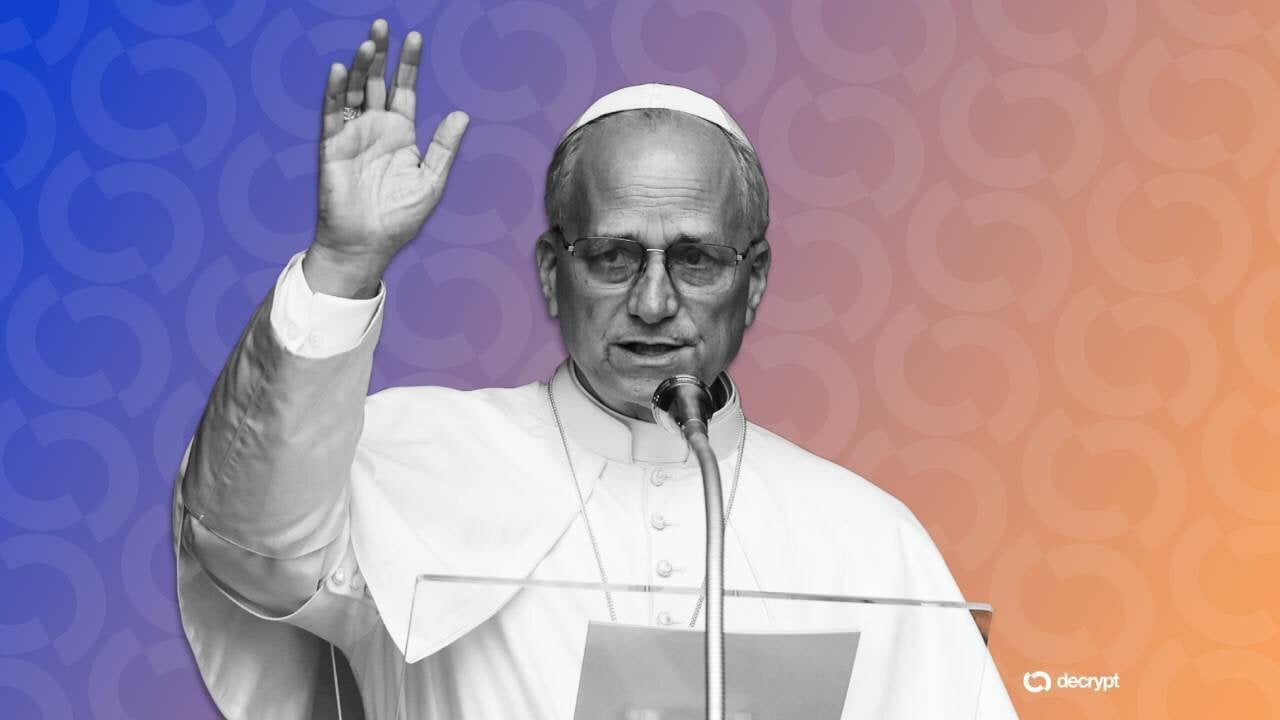
The Vatican’s 'Spark of Humanity' alliance directly challenges the legitimacy of AI-generated NFT collections by advocating for a cultural and moral hierarchy that favors human creators. Pope Francis has asserted that AI algorithms lack the essential 'spark' required for true artistic expression, prompting the Holy See to seek formal partnerships with cultural institutions to protect human-authored works. For the crypto market, this suggests a future where purely AI-minted tokens may struggle to gain institutional or high-end collector approval without significant human intervention or certification.
This 2026 initiative follows a surge in generative AI tools that have flooded NFT marketplaces like OpenSea and Magic Eden with millions of low-effort assets. By forming a global alliance, the Vatican is leveraging its significant soft power to influence how digital value is perceived, shifting the focus from technological efficiency back to individual intent. This move is particularly relevant for the US-focused crypto audience, as it aligns with ongoing domestic debates regarding copyright eligibility for AI-generated content and the legal definition of 'authorship' in the digital age.
From a regulatory standpoint, the Vatican's stance could serve as a precursor to more formal 'human-made' labeling requirements for digital assets. Watch for cultural bodies in the US and Europe to adopt similar frameworks, which could force NFT platforms to implement mandatory metadata tags distinguishing between human and algorithmic creation. As provenance becomes more scrutinized, the market may see a bifurcation where 'soul-less' AI art is relegated to low-tier status while verified human-crypto collaborations command higher valuations.
Investors and collectors should monitor whether major NFT protocols integrate these 'human-first' certification standards into their smart contracts. While the immediate impact on ETH or SOL prices may be minimal, the specific valuation of generative art collections could be significantly pressured. The long-term implication is a likely flight to quality, where human narrative and provable artistic effort become the primary drivers of digital asset scarcity and value.