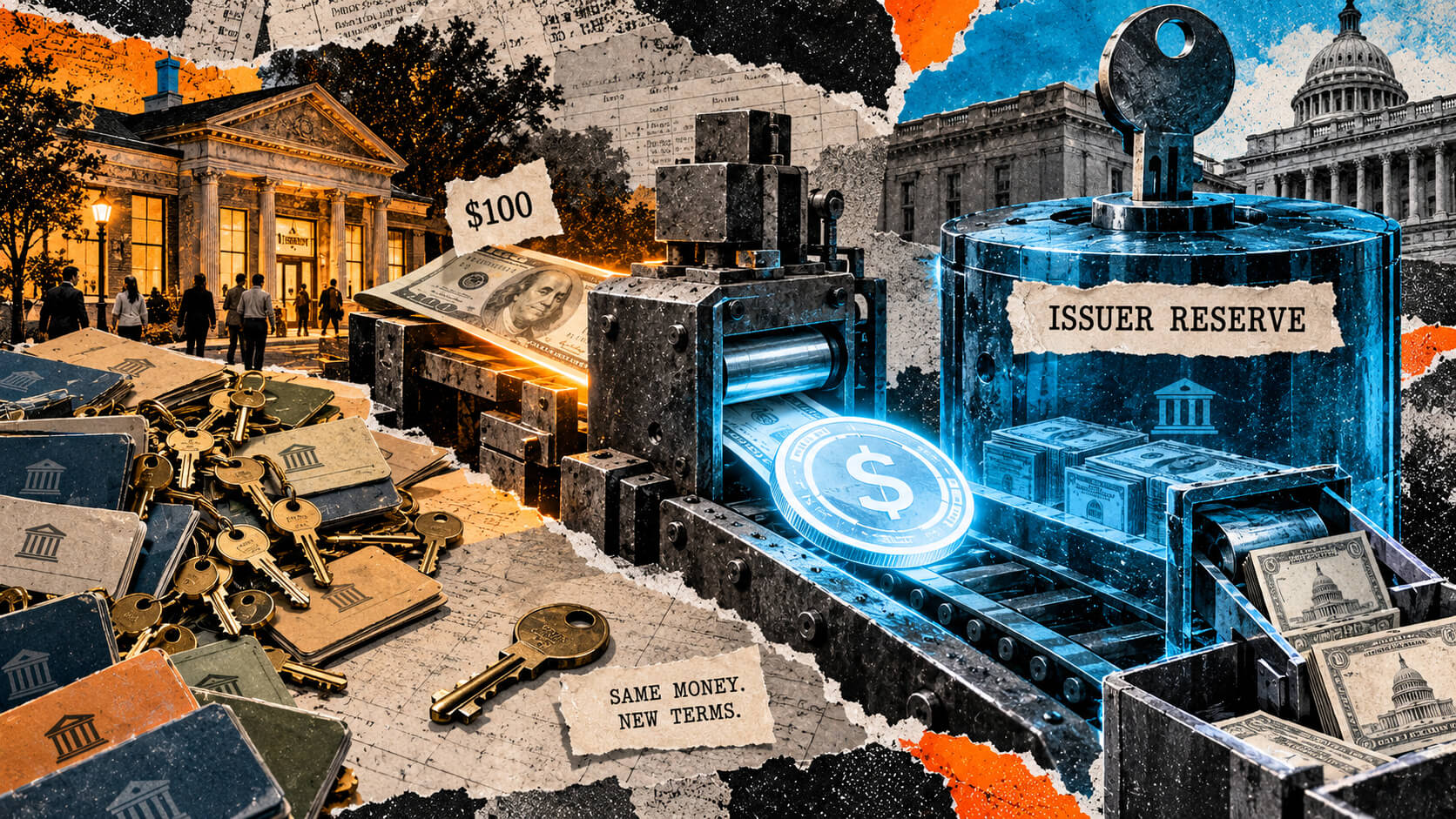
In 2026, stablecoins increase US bank lending costs by converting cheap, 'sticky' retail deposits into expensive institutional capital. When a user moves $100 from a savings account to purchase a stablecoin, those dollars do not leave the banking system; instead, they move to the issuer’s reserve account. However, because stablecoin issuers negotiate for much higher interest rates or invest in Treasury-backed instruments, banks lose the low-cost funding they traditionally used to subsidize affordable lending, forcing them to hike rates on mortgages and commercial loans to maintain margins.
This shift represents a fundamental change in the plumbing of US finance. As stablecoin market caps reach new highs in early 2026, the migration of liquidity from zero-interest checking accounts to yield-seeking reserves has created a 'funding squeeze' for regional banks. The liquidity remains present, but its price tag has changed, effectively acting as an unofficial rate hike that bypasses the Federal Reserve’s direct policy tools.
Politically, this has placed stablecoin issuers like Circle and Paxos under intense scrutiny from the Senate Banking Committee. Legislators are concerned that the 'stablecoin drain' on cheap deposits is making it harder for small businesses to access credit. We are currently seeing a push for new 2026 regulations that might require issuers to hold a percentage of reserves in non-interest-bearing accounts at the Fed to offset the rising cost of credit for everyday Americans.
For the crypto market, this dynamic is a double-edged sword. While it proves the systemic importance of stablecoins, it also invites restrictive banking regulations that could limit how issuers manage their reserves. Investors should watch the upcoming Federal Reserve report on 'Digital Asset Deposit Migration' and monitor the 30-year fixed mortgage rate, as any continued correlation between stablecoin growth and lending costs will likely trigger aggressive regulatory intervention by Q3 2026.