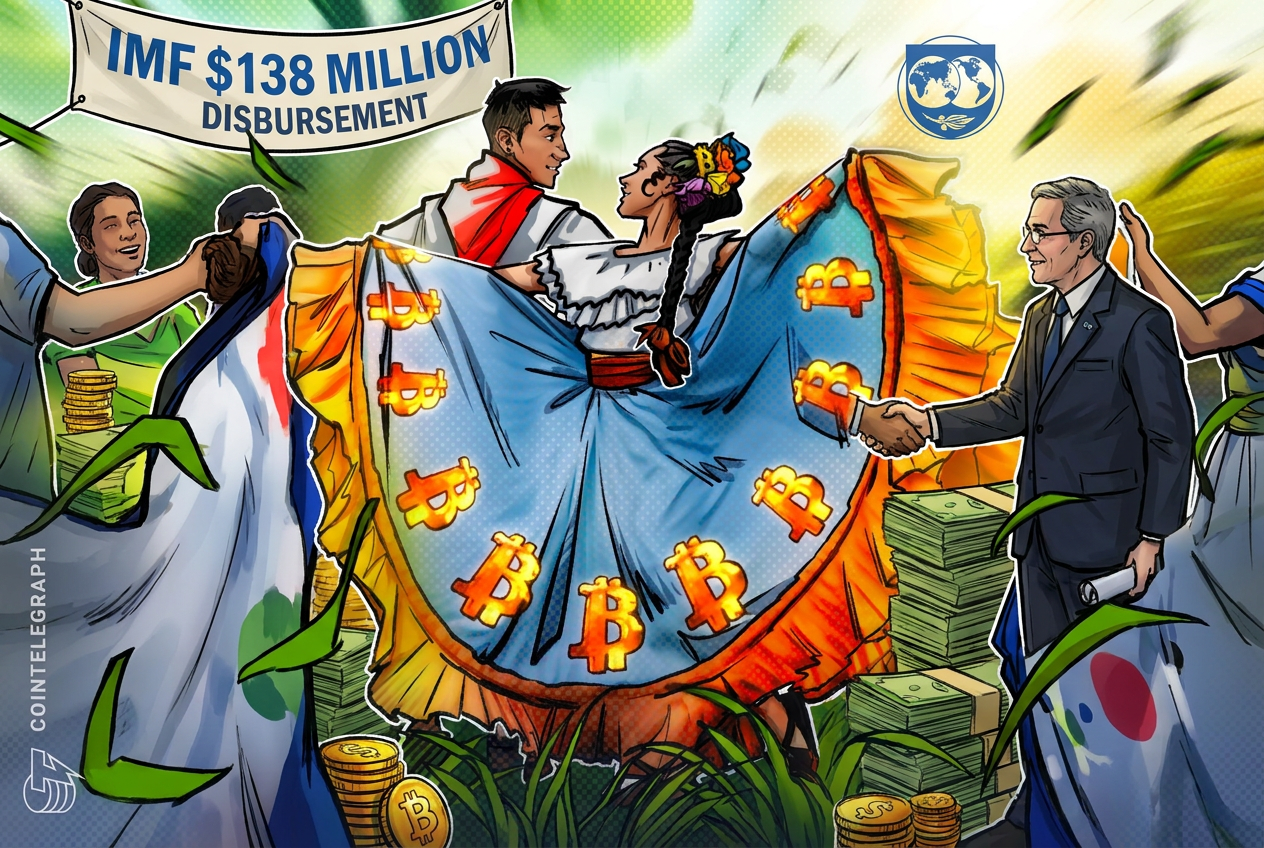
The International Monetary Fund (IMF) has granted El Salvador a $138 million disbursement contingent on the government’s commitment to scale back its direct role in Bitcoin-related initiatives. Under the new 2026 agreement, El Salvador must strengthen its crypto-asset governance and implement more stringent regulations to mitigate the financial risks associated with Bitcoin’s status as legal tender. This development follows a period of intense negotiation regarding how the country could maintain its crypto policies while securing traditional fiscal support.
This financial injection comes after years of friction between President Nayib Bukele’s administration and the IMF over the 2021 Bitcoin Law. While the IMF granted specific waivers regarding the nation's previous non-compliance, the new terms involve a clear roadmap to limit public sector exposure to BTC volatility. Key requirements include restructuring state-run crypto infrastructure and providing greater transparency regarding the government's Bitcoin holdings and the operations of the Chivo Wallet.
For US-based investors and institutional observers, this move signals a significant shift toward a middle ground between decentralized experimentation and global fiscal standards. The IMF’s insistence on "strengthening regulation and governance" suggests that El Salvador may adopt oversight models similar to those currently debated in the US Congress. This could potentially cool the more radical aspects of the country's crypto-economic agenda to ensure continued access to conventional global credit markets.
Looking ahead, market participants should watch for new legislative proposals in the Salvadoran Legislative Assembly aimed at reducing state-sponsored Bitcoin incentives. While the loan improves El Salvador's short-term liquidity, the long-term viability of projects like the "Volcano Bonds" may be questioned if the IMF demands further distancing from state-funded crypto projects. The outcome will serve as a primary case study for other developing nations considering Bitcoin as a reserve asset.