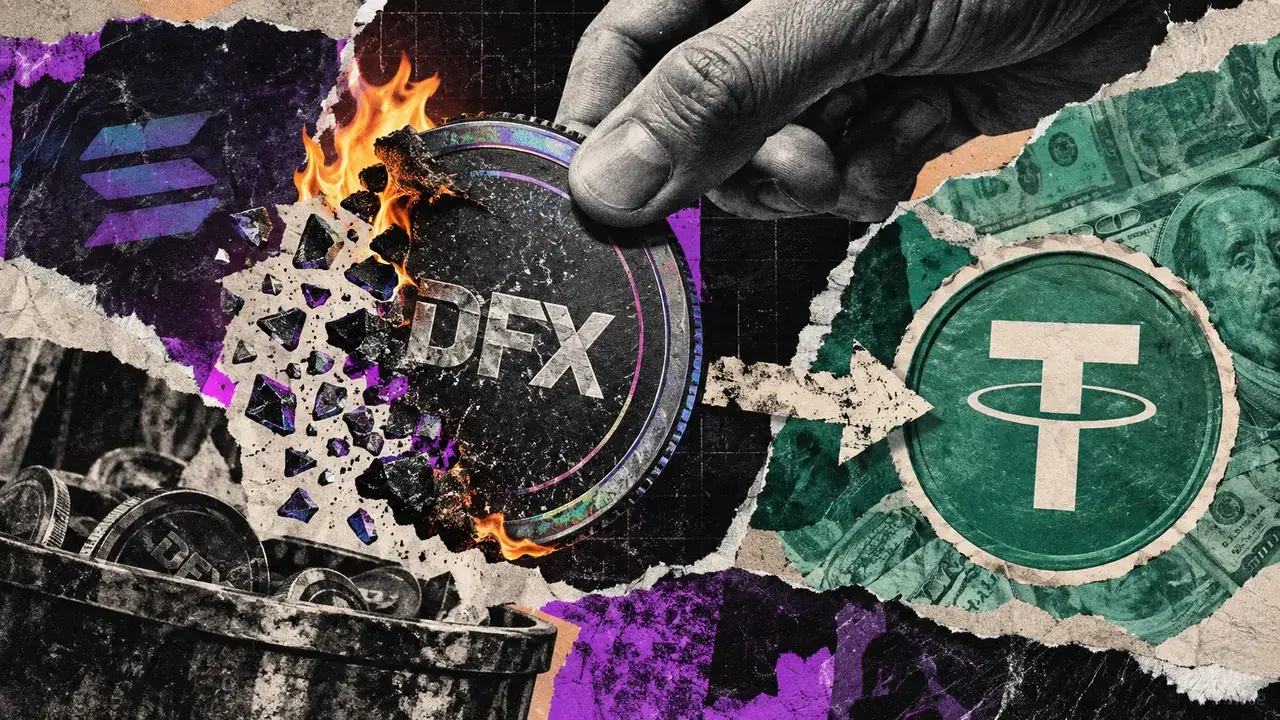
The recovery rate for Drift Protocol victims via the DFX token launch on October 1, 2026, is currently valued at approximately one cent per dollar lost. This initial quote means that users holding DFX tokens—distributed to represent claims after the protocol's liquidity exploit—can only recoup roughly 1% of their lost USDT value if they choose to redeem immediately. This valuation reflects the current assets available in the protocol’s dedicated recovery vault compared to the total outstanding debt.
Choosing to redeem DFX at this one-cent threshold comes with significant trade-offs for affected users. Under the current mechanism, the redemption process requires the permanent burning of DFX tokens. Once burned, the user’s participation in the recovery pool ends, meaning they will not be eligible for any potential future distributions, fee-sharing, or insurance fund top-ups if the protocol’s financial health improves in the coming months.
From a US regulatory perspective, the launch of recovery tokens like DFX remains a gray area. The SEC has previously signaled that 'debt-claim tokens' could be scrutinized as unregistered securities, especially if they promise future returns from protocol growth. US-based victims should consult with tax professionals, as claiming a 99% loss via the DFX burn mechanism may trigger specific capital loss events for the 2026 tax year.
Market participants should watch for any shift in the DFX quote as Drift Protocol attempts to attract new liquidity to its perps platform. While the one-cent valuation is a bleak starting point for victims, the protocol’s ability to generate new revenue will be the primary driver for any future increase in the recovery rate. For now, the low redemption price underscores the extreme risks inherent in DeFi lending and the long road to solvency following major smart contract breaches.