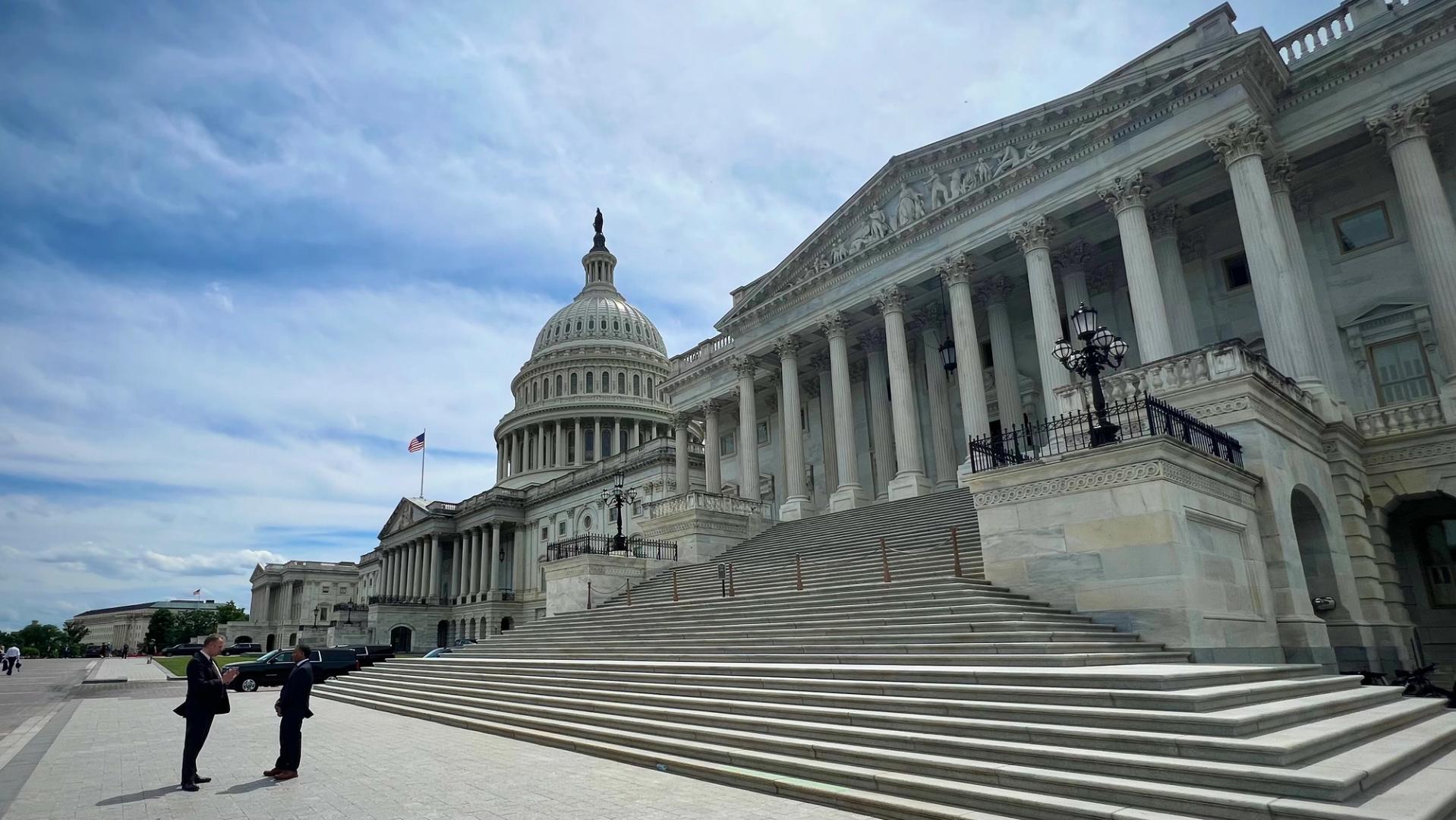
The U.S. Congress has officially entered its final recess before the November 2026 midterm elections, halting all legislative momentum for digital asset regulation. This means that high-profile bills, including the 2026 Stablecoin Transparency Act, will not see a floor vote until the 'lame duck' session at the earliest. For the next several weeks, the focus shifts entirely from policy-making in Washington to the campaign trail, where crypto remains a polarizing and high-spend issue in key battleground states.
This legislative pause comes at a time when the 2026 crypto market was seeking definitive answers on the jurisdictional boundaries between the SEC and CFTC. Throughout the first half of 2026, industry leaders lobbied for a unified market structure bill to provide the clarity needed for institutional expansion. With lawmakers now focused on re-election, these efforts are effectively on ice, leaving the industry to rely on existing, and often contested, enforcement actions rather than new, clear-cut laws.
From a market perspective, this recess typically results in a period of 'regulatory stasis' where prices may react more to political polling than to policy updates. Major stablecoin issuers like Circle and Paxos are particularly affected, as the delay in federal framework adoption prevents them from fully integrating with traditional banking systems under a standardized national charter. Investors should expect heightened volatility as candidates ramp up rhetoric regarding the future of the U.S. Bitcoin reserve and central bank digital currencies (CBDCs).
Moving forward, the composition of the House Financial Services Committee after the November 2026 vote will be the most significant indicator for crypto’s path in 2027. If the incoming leadership favors a pro-innovation agenda, we may see an accelerated push for stablecoin legislation in January. Conversely, a shift in committee control could lead to renewed calls for restrictive oversight, making the results of this upcoming election the most important regulatory catalyst of the year.