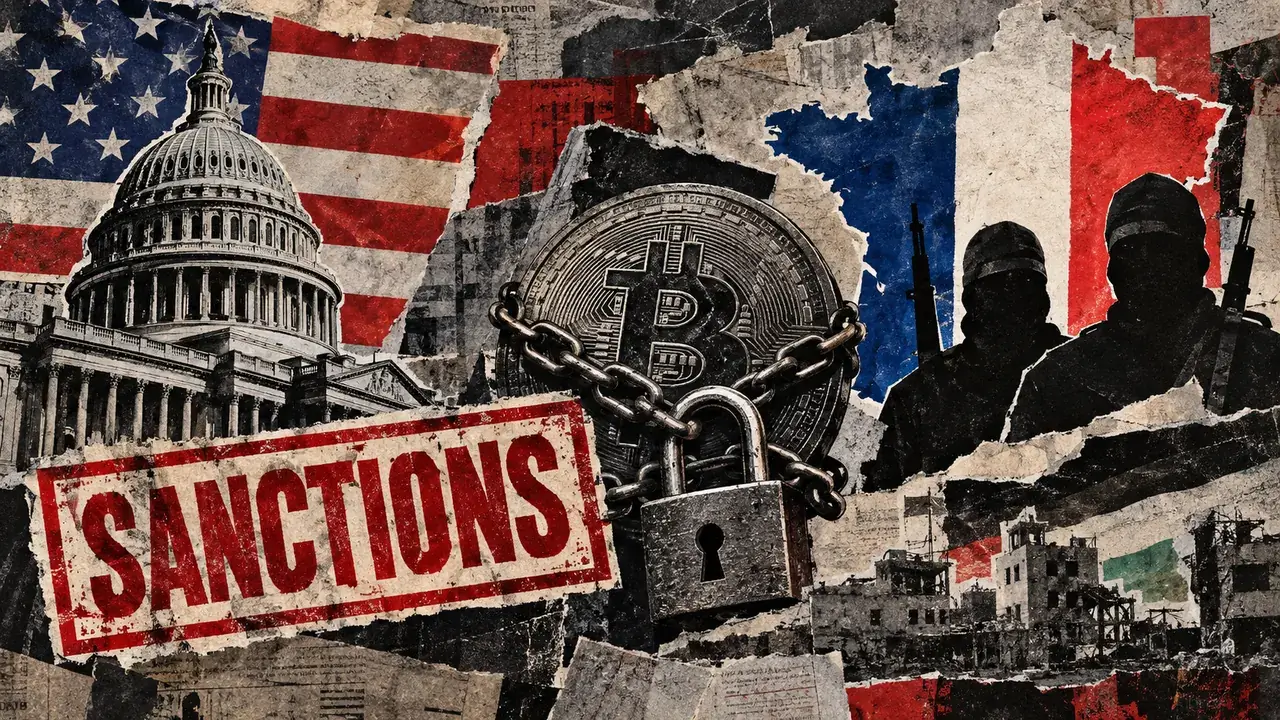
On October 2, 2026, the US Treasury Department's Office of Foreign Assets Control (OFAC) expanded its sanctions list to include five additional counterparties linked to Hamas. The move was triggered by a sophisticated tracing operation that identified cryptocurrency transfers moving from France into wallets controlled by the designated group. While the Treasury noted these specific digital asset transfers are separate from the group's broader fundraising totals, the action signals a significant escalation in transatlantic financial surveillance.
This latest crackdown demonstrates the narrowing window for illicit actors attempting to use the pseudo-anonymous nature of blockchain for cross-border funding. By collaborating with European financial intelligence units, the US Treasury has proven that crypto transfers originating in France are no longer beyond the reach of federal oversight. The five blocked counterparties now face a total freeze on any US-based assets, and American citizens are strictly prohibited from engaging in transactions with them, effectively cutting them off from the global financial system.
From a regulatory standpoint, this development reinforces the US government's stance that cryptocurrency is a high-priority front in the war against terrorist financing. For US investors and digital asset platforms, this means an even stricter adherence to Anti-Money Laundering (AML) and Know Your Customer (KYC) protocols is non-negotiable. The Treasury’s ability to pinpoint specific transfers from France suggests that even sophisticated mixing techniques or international hops are increasingly transparent to modern forensic tools.
Looking ahead, market participants should watch for further enforcement actions targeting international 'nested' exchanges or over-the-counter (OTC) desks that facilitate these transfers. As the US expands its reach into foreign-originated crypto flows, the pressure on global exchanges to synchronize their blacklists with OFAC will likely intensify. Investors should remain cautious, as further high-profile seizures or sanctions could lead to temporary volatility in assets frequently associated with these illicit corridors.