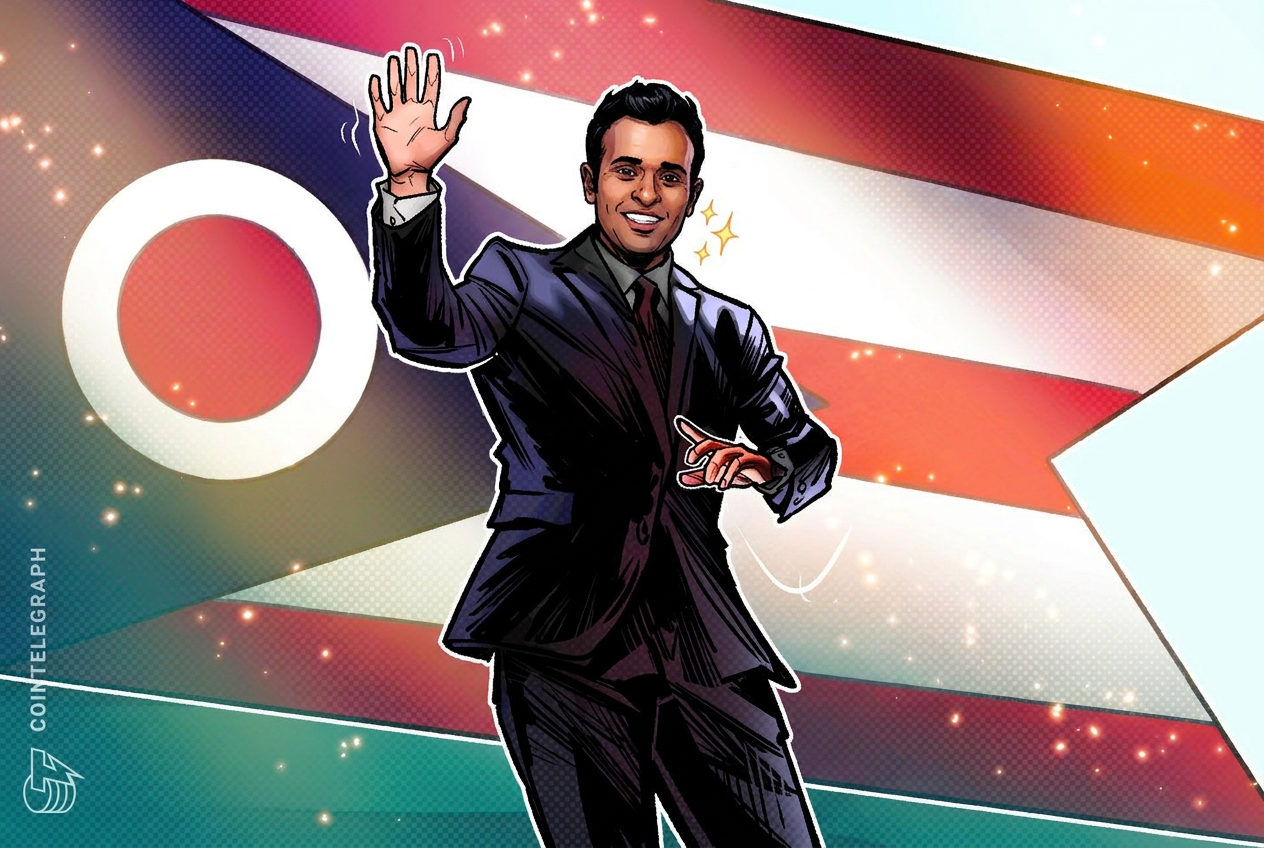
Vivek Ramaswamy has notably excluded crypto-specific rhetoric from his 2026 Ohio gubernatorial campaign, signaling a strategic pivot toward local economic priorities such as taxation and industrial growth. While he was a vocal advocate for Bitcoin and decentralized finance during the 2024 presidential cycle, his current messaging downplays digital assets in favor of a platform tailored to the specific bread-and-butter concerns of the Ohio electorate. This change indicates that even candidates with deep industry roots are treating crypto as a secondary issue in high-stakes state executive contests.
This shift is particularly striking given Ramaswamy’s ongoing personal and financial connections to the crypto ecosystem. He continues to hold a stake in a prominent digital asset manager and has received significant donations from industry leaders who supported his previous national campaign. The decision to sideline these issues suggests a calculated move to avoid the polarization often associated with digital asset regulation at the federal level, focusing instead on state-specific governance where crypto legislation is less of a primary voter driver.
For the broader crypto industry, Ramaswamy’s pivot reflects a maturing political landscape in 2026, where "pro-innovation" stances are being tempered by the practicalities of state-level politics. While his personal leanings likely remain pro-crypto, the lack of public advocacy in a key swing state like Ohio suggests that the industry may face challenges in making digital assets a top-tier campaign issue outside of national regulatory debates. This could signal a move toward more behind-the-scenes policy work rather than high-profile stump speeches.
Investors and political observers should watch whether Ramaswamy eventually integrates blockchain technology into his "Digital Ohio" initiatives or if he maintains his current distance to avoid alienating non-crypto-native voters. His performance in the 2026 primaries will likely serve as a bellwether for how other candidates approach digital asset policy in state-level elections across the United States. If Ramaswamy succeeds with this moderated approach, it may become the blueprint for other tech-friendly candidates in the 2026 cycle.