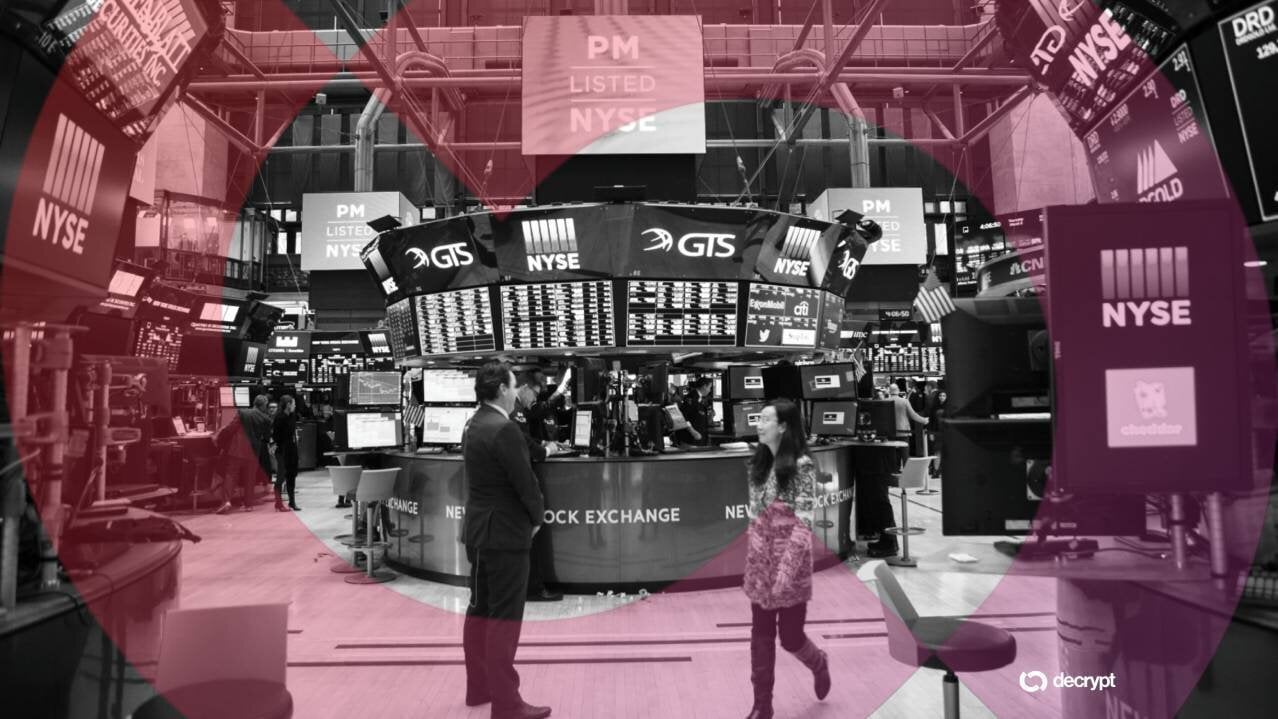
The SEC Innovation Exemption enables OKX and Intercontinental Exchange (ICE) to facilitate 24/7 trading of tokenized stocks by providing a regulatory safe harbor for blockchain-based settlement of traditional securities. This framework permits the pairing of equities with stablecoins, allowing for near-instant settlement and round-the-clock market access that bypasses the traditional T+1 cycle of standard US exchanges. By using this exemption, the two entities can offer high-liquidity assets to a global audience without the constraints of NYSE or Nasdaq operating hours.
According to the notice filed in early 2026, the platform will initially support more than 60 high-profile stocks. Investors can trade major tech entities like Nvidia as well as high-interest private firms like SpaceX, all tokenized on-chain. These assets are paired directly with stablecoins, providing a seamless bridge for crypto-native investors to diversify into the equity market while maintaining their liquidity in digital assets. The involvement of ICE, the parent company of the New York Stock Exchange, adds a layer of institutional credibility to the project.
This move represents a significant shift in US crypto policy under the new 2026 regulatory landscape. The Innovation Exemption is designed to keep the United States at the forefront of the Real World Asset (RWA) tokenization trend, which has seen massive growth in overseas markets. By allowing established players like ICE to experiment with blockchain rails, the SEC is signaling a transition toward a hybrid financial system where traditional securities and digital assets coexist under the same compliance umbrellas.
For market participants, the launch of 24/7 tokenized trading effectively eliminates the "weekend gap" and pre-market volatility risks that currently plague traditional stock trading. Readers should watch for the rollout of additional tickers and potential updates regarding which specific stablecoins will be supported for settlement. As this platform goes live, it may lead to increased stablecoin demand and a permanent shift in how retail investors manage their portfolios across different asset classes.