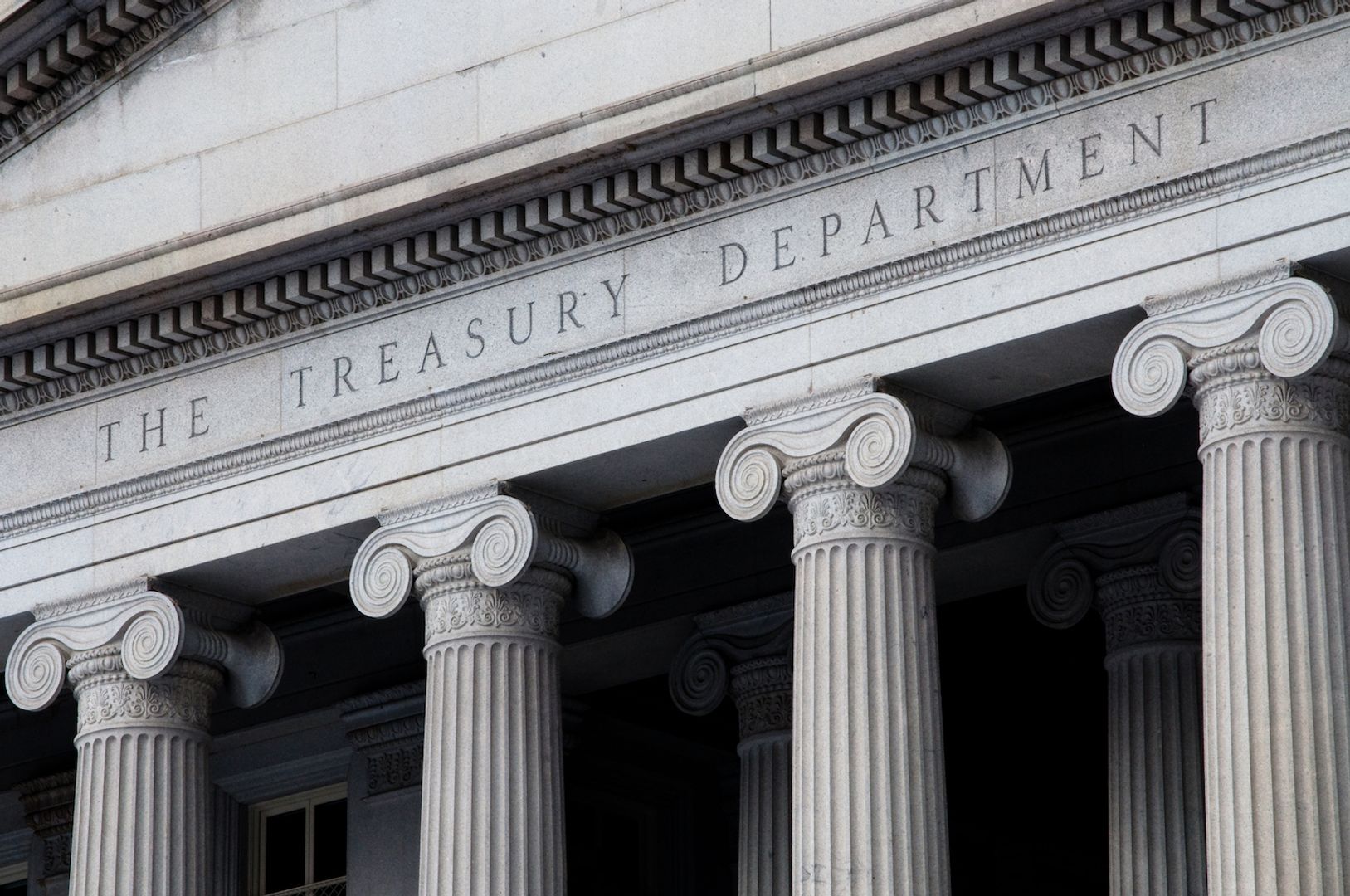
In a significant enforcement action in 2026, the U.S. Treasury Department successfully identified and sanctioned a network that raised more than $2 million for Hamas by masquerading as humanitarian charities. The investigation revealed that while traditional financial systems were used, a substantial portion of the funds—amounting to hundreds of thousands of dollars—was moved through cryptocurrency wallets. By tracing these digital transactions, federal authorities were able to link purported charitable donations directly to known operatives, leading to the immediate freezing of assets and a broader crackdown on the associated entities.
The network allegedly exploited the public’s desire to support humanitarian causes to bypass international banking sanctions. By integrating crypto into their operations, the group attempted to provide a layer of pseudonymity to their donors and recipients. However, the Treasury’s Office of Foreign Assets Control (OFAC) leveraged advanced blockchain monitoring tools to deanonymize the transactions, proving that digital assets are increasingly difficult to use for large-scale illicit financing without detection by state actors.
This development comes at a critical time for U.S. crypto policy, as lawmakers are currently debating the extent of oversight required for decentralized finance (DeFi) and unhosted wallets. The exposure of this $2 million network provides fresh ammunition for proponents of stricter Anti-Money Laundering (AML) and Know Your Customer (KYC) regulations. For American crypto users, this means that the regulatory environment is likely to become even more stringent, with a particular focus on how exchanges verify the destination of outgoing transfers to international non-profits.
Looking ahead, market participants should watch for new Treasury guidelines that may mandate stricter reporting for any crypto transactions involving regions flagged for high geopolitical risk. While the dollar amount of the crypto involved is small relative to total market volume, the geopolitical implications are significant. The government’s success in this case may lead to increased cooperation between the U.S. and international exchanges to blacklist specific wallet clusters, potentially affecting liquidity for certain assets if they are labeled as 'tainted' by association.