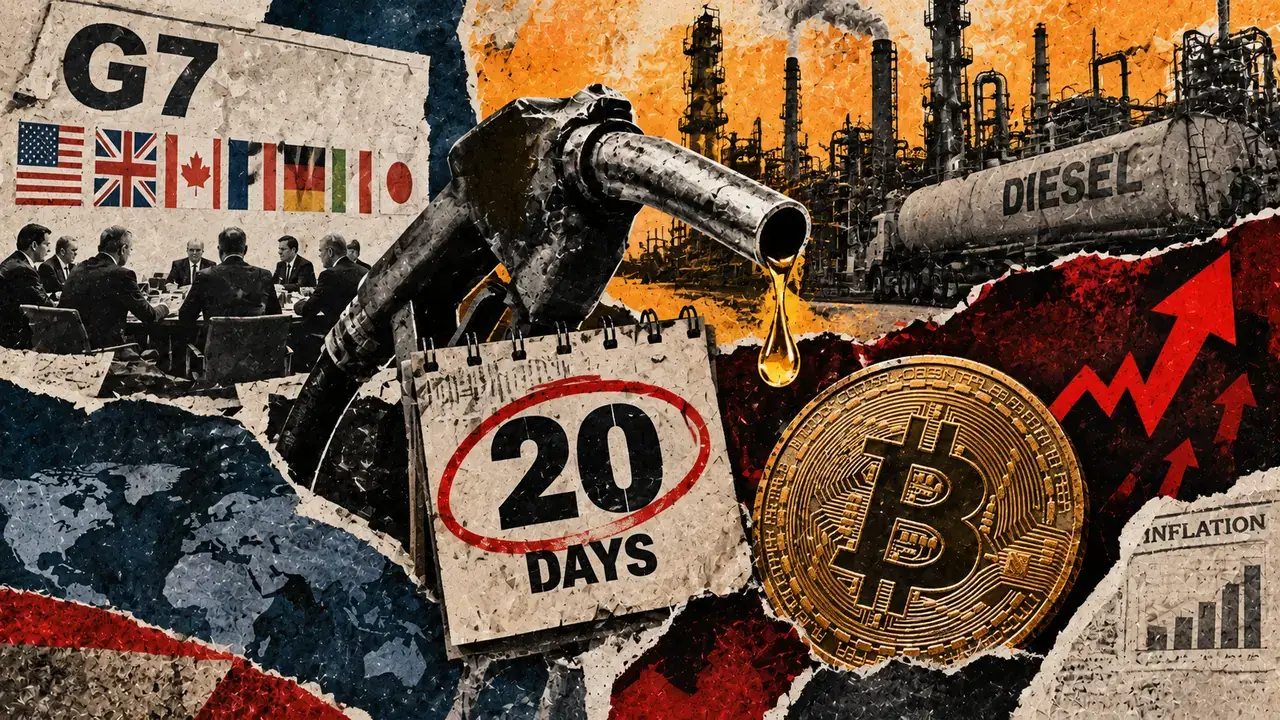
The upcoming 20-day window for the release of national diesel fuel reserves is a strategic attempt to lower energy costs, which could directly influence the Federal Reserve's monetary policy and subsequently lower Bitcoin financing costs. If this energy relief successfully dampens Consumer Price Index (CPI) figures during the implementation test, the Fed may finally find the justification to ease its restrictive stance. Lower interest rates generally lead to cheaper borrowing costs for institutional desks, providing the necessary liquidity for Bitcoin to sustain its 2026 upward momentum.
This energy intervention arrives as the market grapples with sticky inflation that has kept the Fed cautious throughout the early months of 2026. The diesel-release window serves as a vital stress test for the administration’s ability to manage industrial fuel costs without relying solely on aggressive rate hikes. Because energy prices are a primary driver of headline inflation, crypto analysts view this 20-day period as a 'make or break' window for macro-driven volatility.
For Bitcoin, the implications are largely tied to the cost of capital. As institutional participation via spot ETFs has matured in 2026, the asset's correlation with global liquidity conditions remains high. When energy-driven inflation cools, the appeal of risk-on assets like BTC increases relative to traditional fixed-income yields. A successful cooling of the energy market would likely trigger a wave of fresh capital into the digital asset space as traders anticipate a more favorable borrowing environment.
Investors should closely monitor the Department of Energy’s weekly inventory reports alongside the Fed’s subsequent commentary. If the diesel release fails to stabilize prices, the 'higher for longer' interest rate narrative will likely persist, potentially capping Bitcoin's growth in the short term. The next 20 days will be a defining period for whether macro tailwinds or energy-driven headwinds dictate the crypto market's trajectory for the remainder of the quarter.