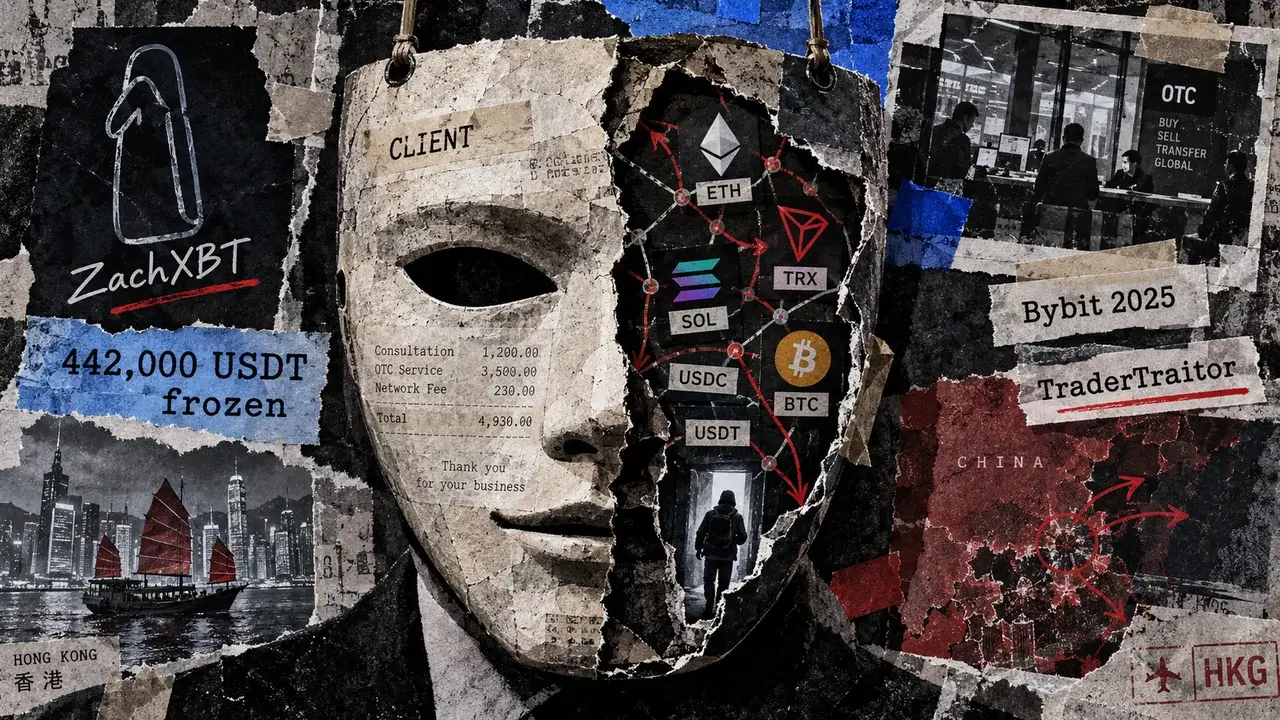
ZachXBT exposed the $1 billion Lazarus Group syndicate by infiltrating their private communication channels and tracking a sophisticated web of transactions that culminated in a 442,000 USDT freeze in early 2026. The investigation leveraged private chats and trade data from late 2025 to trace stolen funds back to North Korean state-sponsored actors. By providing this intelligence directly to the Bybit exchange, the investigator was able to intercept the assets before they could be laundered through decentralized mixers or off-ramped into fiat currency.
The Lazarus Group has long been a primary concern for geopolitical stability, as the US Treasury and OFAC have repeatedly identified these cyber activities as a funding source for North Korea’s weapons programs. This latest exposure reveals that the syndicate’s methods have evolved to include more complex "mule" account networks designed to bypass standard exchange filters. ZachXBT’s ability to compromise these private syndicates suggests that the battle against state-sponsored theft is shifting from reactive on-chain tracking to proactive intelligence gathering.
For the broader crypto market, this event highlights the ongoing vulnerability of centralized exchanges to sophisticated social engineering and laundering schemes. While the 442,000 USDT freeze is a relatively small portion of the syndicate's total $1 billion reach, it demonstrates that cooperation between independent researchers and trading platforms can effectively disrupt criminal liquidity. This successful intervention is expected to put pressure on other major exchanges to enhance their real-time monitoring of Lazarus-linked wallet clusters.
Moving forward, investors and platform operators should watch for increased regulatory requirements regarding "know-your-transaction" (KYT) protocols. As the Lazarus Group continues to adapt, the crypto industry may see a surge in community-led bounties and decentralized security task forces. The focus now turns to whether the remaining assets within the $1 billion syndicate can be identified and blacklisted before the North Korean collective rotates their wallet infrastructure once again.