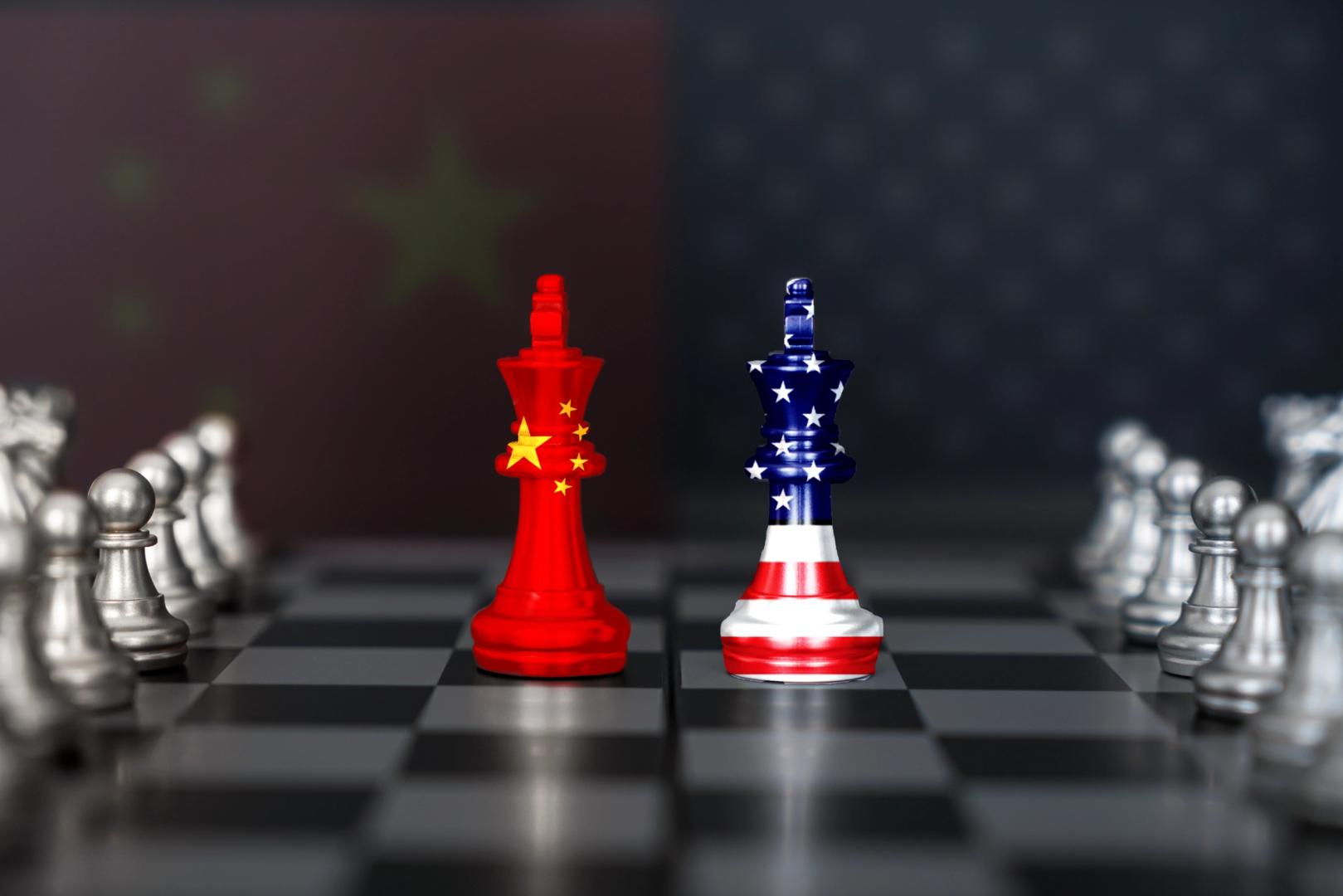
The 2026 IPO race between Chinese rivals DeepSeek and Moonshot and the US-based OpenAI is expected to provide a massive tailwind for AI-related cryptocurrencies by validating astronomical sector valuations and increasing global demand for compute resources. As these centralized giants prepare for their public listings, the crypto market is positioning decentralized AI (DeAI) tokens as a critical hedge against centralized censorship and geographical gatekeeping. The massive liquidity flowing into these firms serves as a bullish signal for the entire AI infrastructure stack, including blockchain-based alternatives.
The recent influx of billions in fresh capital for DeepSeek and Moonshot highlights China’s aggressive push to maintain AI parity despite ongoing U.S. export restrictions. Simultaneously, OpenAI’s efforts to court major institutional investors ahead of its debut demonstrate a desperate need for the massive compute capital that decentralized networks aim to provide more efficiently. This competition is creating a 'bipolar' development environment, where protocols like Bittensor (TAO) and the Artificial Superintelligence Alliance (FET) offer a neutral, permissionless ground for global developers who want to avoid the proprietary restrictions of US or Chinese tech giants.
Geopolitically, this race is accelerating a 'compute arms race' that directly benefits DePIN (Decentralized Physical Infrastructure Networks). As the U.S. continues to tighten controls on high-end GPU exports, Chinese firms and global developers are increasingly exploring distributed GPU networks to bypass supply chain bottlenecks. This regulatory friction makes the investment case for decentralized compute providers like Render (RNDR) stronger, as they provide a globally accessible pool of hardware that is difficult for a single nation to regulate or shut down.
For crypto investors, the lead-up to these 2026 IPOs will likely result in heightened volatility and significant price discovery for AI-adjacent protocols. The market should watch for official S-1 filings and any new U.S. Treasury restrictions on AI investments in China, as these events historically trigger 'risk-on' sentiment for decentralized AI tokens. The success of these IPOs will serve as a valuation benchmark, potentially rerating the entire DeAI sector to reflect the new trillions in value expected in the AI industry.