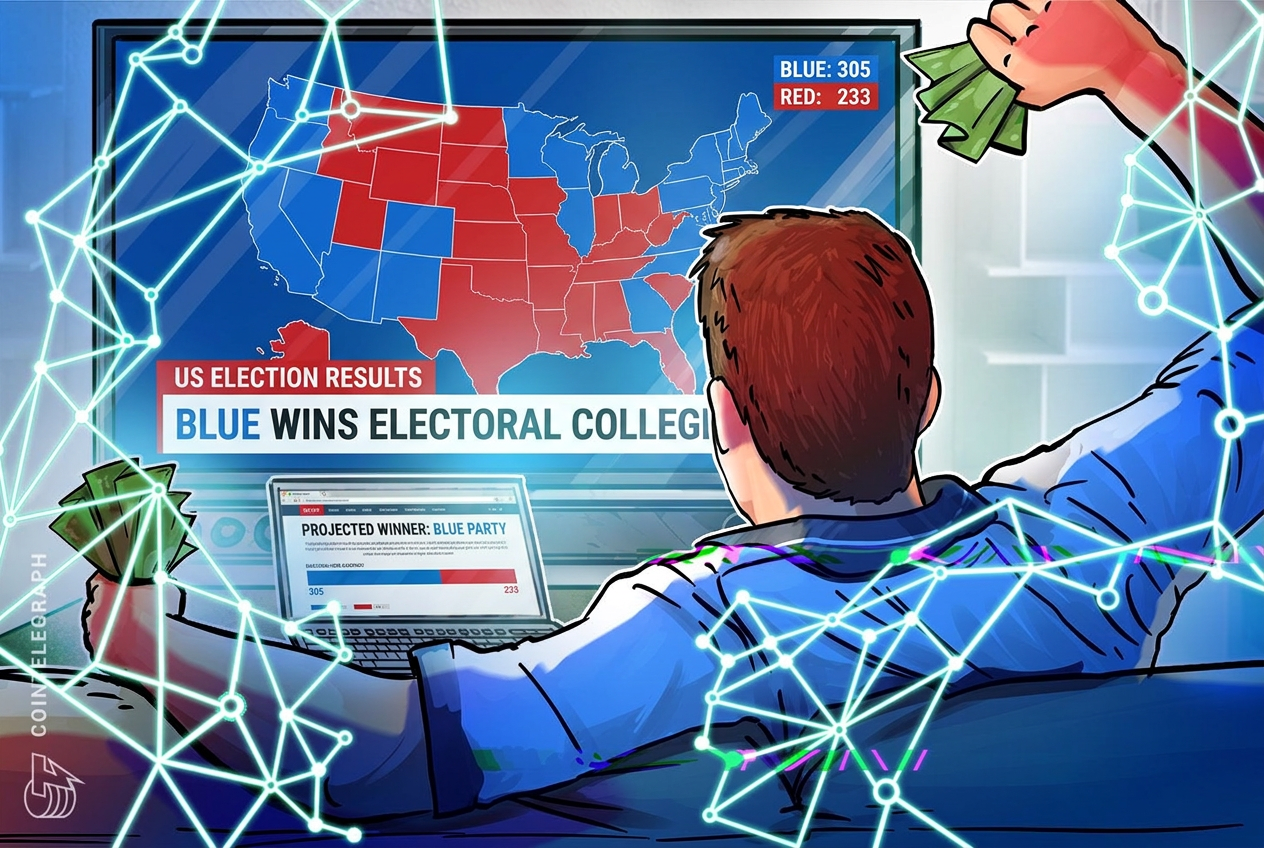
The No Betting on Your Own Race Act will not pass before the 2026 US midterm elections because Congress has officially entered recess, with no plans to reconvene for legislative business until after the votes are cast. This timing ensures that the proposed restrictions on federal lawmakers participating in prediction markets for their own seats will not be in effect for the current cycle. Consequently, the legal framework governing congressional participation in election-based wagering remains unchanged as voters head to the polls.
The bill was introduced to address growing ethical concerns surrounding the intersection of political insiders and the burgeoning prediction market industry. As decentralized and centralized platforms for election betting have surged in popularity and liquidity throughout 2026, critics have argued that lawmakers possess non-public information—such as internal polling and strategic shifts—that could give them an unfair advantage. The act sought to close this loophole, treating election bets similarly to how insider trading is regulated in traditional financial markets.
For the cryptocurrency and DeFi sectors, this legislative stall is a double-edged sword. While it prevents immediate restrictive oversight that could have signaled a broader crackdown on prediction market platforms, it also leaves a vacuum of regulatory clarity. The continued operation of these markets without specific federal guidelines for participants could invite more aggressive enforcement actions from the Commodity Futures Trading Commission (CFTC) if high-profile betting controversies arise during the midterms.
Market participants should watch for the 'lame duck' session following the November elections, where the bill could be reintroduced or folded into larger year-end spending packages. Furthermore, the behavior of lawmakers on platforms like Polymarket or Kalshi during this final stretch of the 2026 campaign will likely dictate the severity of future regulations. If evidence of 'insider betting' surfaces, the crypto industry could face a much more restrictive legislative environment in 2027.