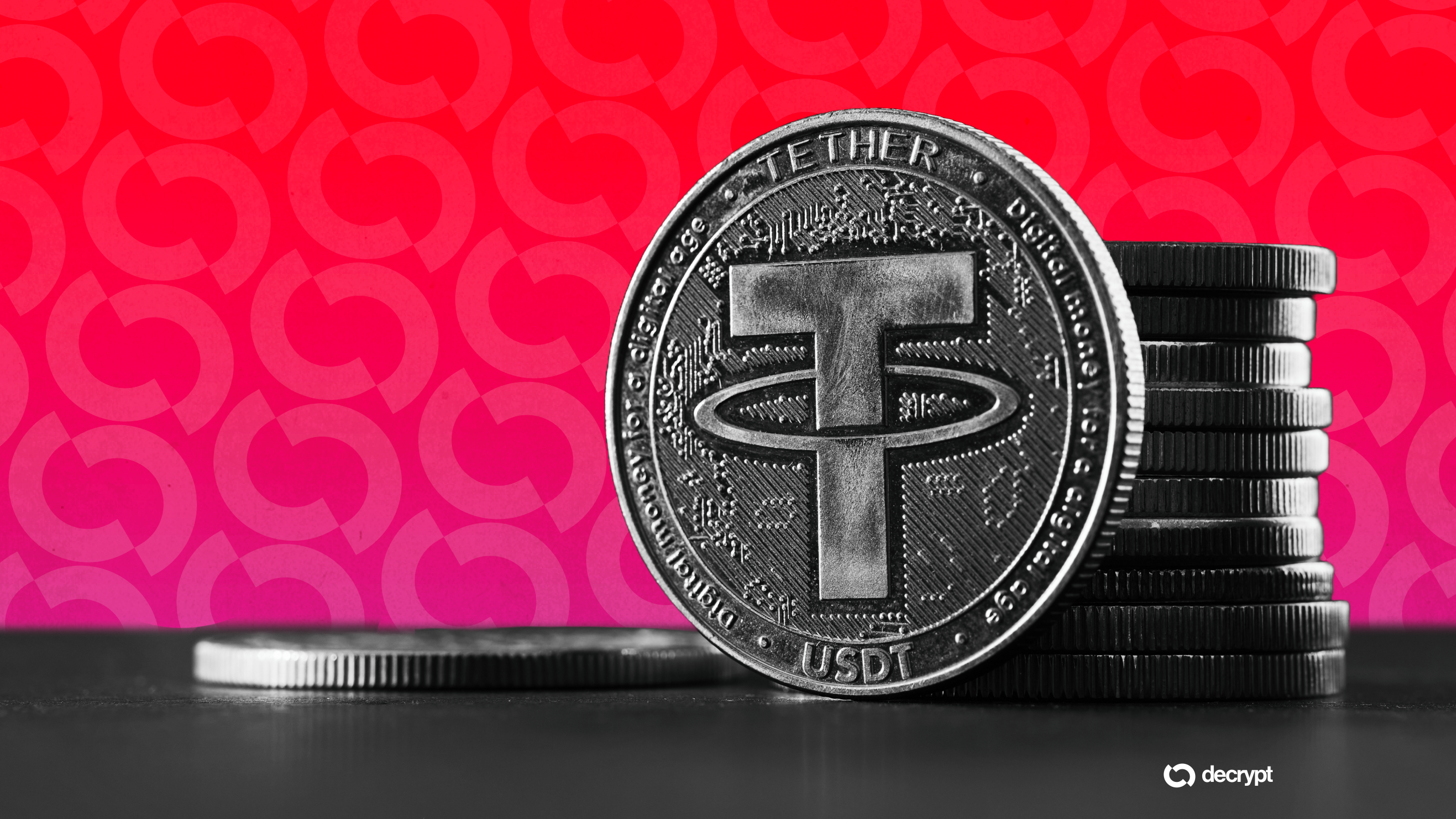
A payments firm is suing Tether because the stablecoin issuer allegedly froze $2.76 million in the firm's treasury wallet without a specific court order or direct involvement in the Brazilian investigation cited as the reason for the freeze. According to the legal filing, Tether acted on its own initiative to blacklist the wallet and has held the assets for over 14 months. The plaintiff asserts that Tether is intentionally withholding the funds to profit from the interest generated by the underlying reserves, creating a significant liquidity crisis for the payments provider.
This case highlights the ongoing debate surrounding the centralized authority of stablecoin issuers like Tether (USDT). While Tether frequently collaborates with international law enforcement to freeze assets linked to illicit activity, this lawsuit alleges a lack of due process, claiming the firm in question has no connection to the Brazilian probe. For US-based corporate entities using stablecoins for treasury management, this highlights the 'platform risk' associated with centralized digital assets that can be rendered illiquid at the discretion of the issuer.
From a regulatory standpoint, the lawsuit could serve as a catalyst for tighter stablecoin oversight in 2026. US lawmakers and the SEC are closely monitoring how private issuers manage their 'kill switch' functions, especially when those actions impact legitimate businesses. If the court finds that Tether overstepped its authority, it could set a significant legal precedent regarding the property rights of digital asset holders and the transparency required for asset freezes.
Market participants should watch for Tether’s formal response and any potential discovery regarding their internal compliance protocols. A ruling against Tether could lead to mandatory changes in how USDT reserves are managed during disputes or even spark a migration toward more decentralized or highly regulated domestic stablecoin alternatives. For now, the case serves as a warning to firms using USDT for large-scale treasury operations about the potential for sudden, unilateral account restrictions.