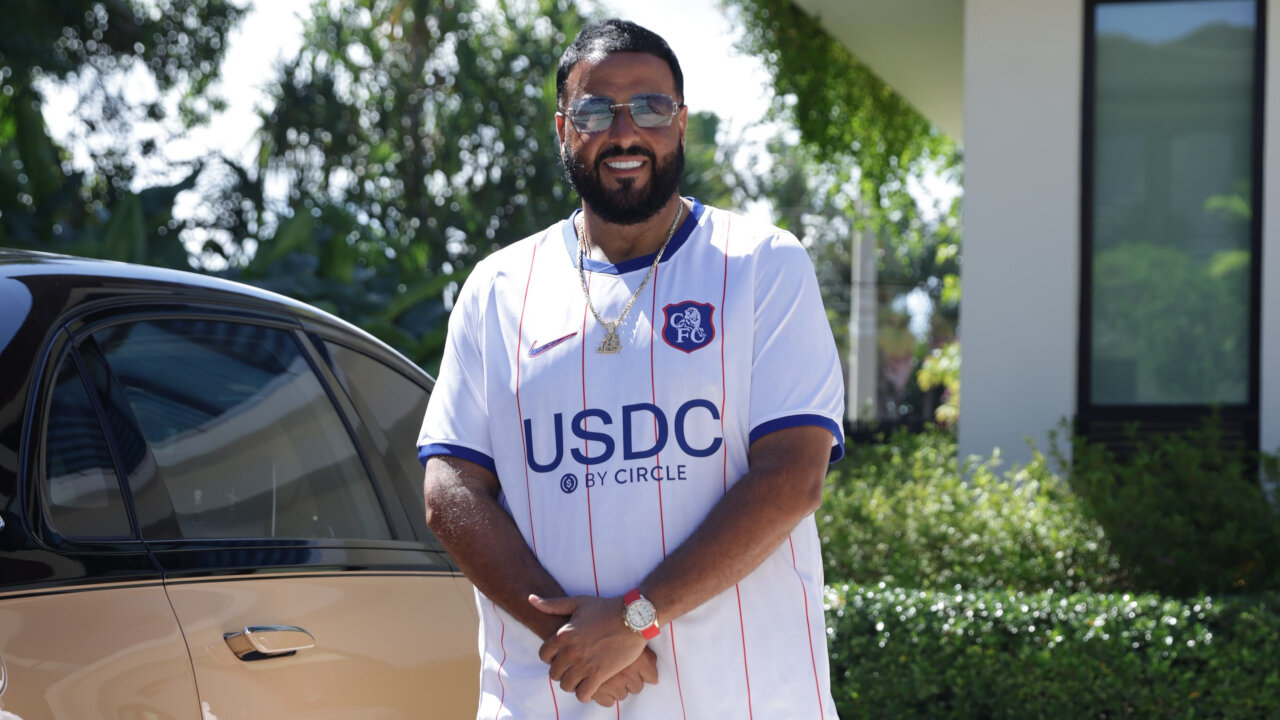
The backlash against Circle’s new partnership with DJ Khaled stems from his 2018 settlement with the SEC, where he was charged for failing to disclose payments for promoting a fraudulent crypto project. While Circle aims to broaden USDC’s mainstream appeal through this 2026 collaboration, the crypto community is concerned that his history undermines the stablecoin's hard-won reputation for compliance and transparency. The 'internet never forgets,' and users are citing this past misconduct as a reason to question Circle's vetting process for its 'Team USDC' ambassadors.
Circle recently welcomed DJ Khaled to its promotional team, a move intended to leverage his massive social media presence to boost adoption of the dollar-backed stablecoin among retail users. However, the announcement immediately triggered a wave of criticism across social media platforms, with industry veterans circulating documents from the 2018 SEC case involving the Centra Tech ICO scam. The incident serves as a stark reminder that the US digital asset space remains hyper-vigilant about the credibility of influencers, especially those previously sanctioned by federal regulators.
From a regulatory perspective, this controversy arrives as the SEC continues to monitor celebrity disclosures under 'anti-touting' provisions. For a company like Circle, which has positioned USDC as the most regulated and transparent stablecoin in the US market, associating with a figure once embroiled in a crypto fraud case presents a PR risk. This could potentially attract unwanted attention from regulators who are already skeptical of stablecoin marketing practices and their impact on retail investor protection.
For USDC users and US investors, the immediate impact is largely reputational rather than functional, as the underlying reserves and technology of the stablecoin remain unchanged. USDC remains a cornerstone of the DeFi ecosystem and a preferred asset for institutional settlement. Moving forward, readers should watch whether Circle maintains this partnership despite the public outcry and if the SEC issues updated guidance regarding celebrity-led stablecoin promotions. The market will also be observing whether this sentiment shift benefits competitors like PayPal's PYUSD or other domestic stablecoin issuers.