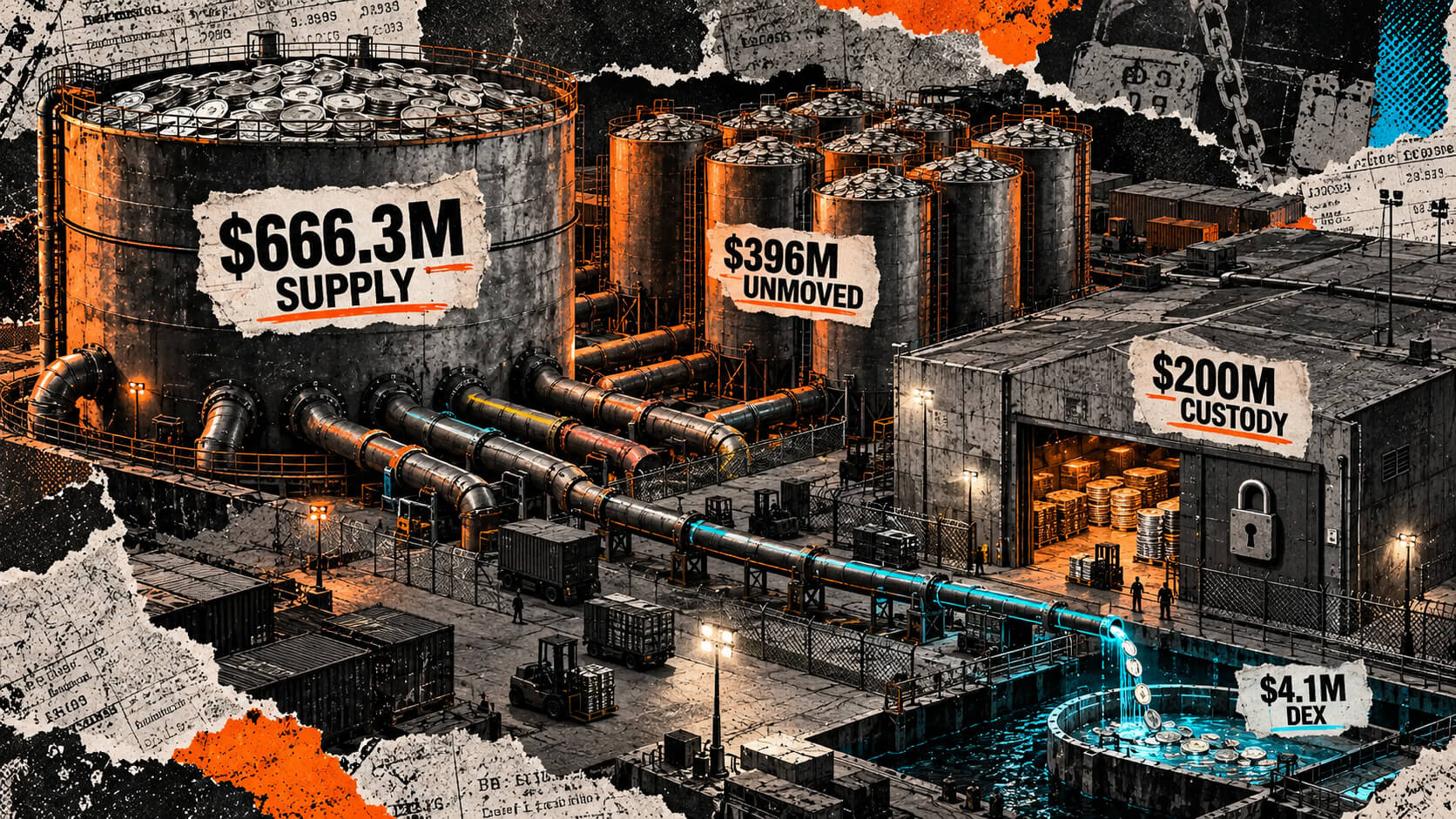
As of October 5, 2026, nearly 60% of the total Open USD supply is currently held in eight stagnant wallets belonging to the issuer, Tempo. Out of a total supply of $666 million, approximately $396 million has remained unmoved, raising questions about the actual velocity and utility of the stablecoin in the current market. While the total supply figures appear robust, the concentration of these tokens in just a few controlled addresses indicates that a majority of the asset is not presently participating in the broader DeFi ecosystem.
The data, provided by blockchain intelligence firm Crystal, highlights a lack of transparency regarding customer activity within these specific custody accounts. For US-based investors, this level of supply concentration represents a potential liquidity risk. If a significant portion of a stablecoin's supply is 'trapped' or held in reserve without movement, it can lead to slippage issues during periods of high market volatility, as the effective circulating supply is much smaller than the headline market capitalization suggests.
From a regulatory standpoint, this development comes at a time when US authorities are closely monitoring stablecoin reserve management and the distinction between 'issued' and 'circulating' supply. The inactivity of these eight wallets could draw scrutiny from regulators interested in ensuring that stablecoin issuers are not artificially inflating market presence while the actual utility of the token remains restricted to a small number of institutional silos.
Moving forward, market participants should watch for any movement out of these Tempo wallets to see if this capital is eventually deployed into decentralized lending protocols or exchange liquidity pools. Until these funds move, the $666 million market cap remains a misleading indicator of Open USD’s actual market footprint. Analysts will be looking for further disclosures from Tempo to clarify whether these tokens represent institutional 'buy-and-hold' strategies or simply a lack of retail adoption in the 2026 stablecoin landscape.