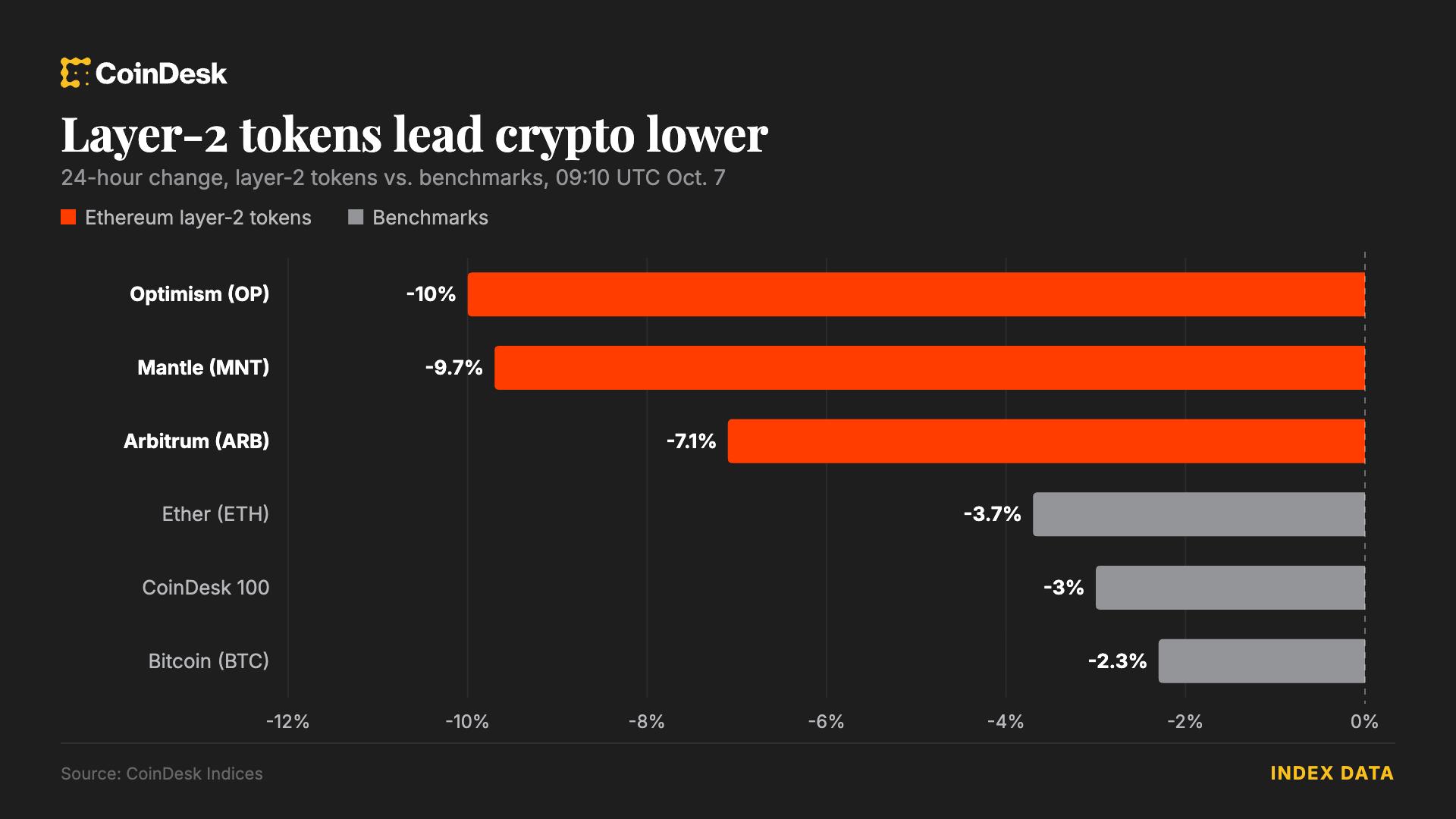
Bitcoin broke below the critical $84,000 support level in early 2026 following a sharp rally in crude oil prices, which was catalyzed by news of attacks on Iranian tankers. This sudden surge in energy costs prompted a flight to safety, causing Bitcoin and other digital assets to sell off as traders pivoted away from high-risk investments. The resulting volatility triggered a cascade of $547 million in liquidations, wiping out long positions that had anticipated a continuation of the early-year rally.
The geopolitical tension in the Persian Gulf has introduced renewed inflationary fears into the US market. As oil prices climbed, institutional investors shifted focus toward traditional energy hedges, draining liquidity from the cryptocurrency sector. While Bitcoin saw a significant pullback, smaller altcoins suffered even more drastic percentage losses, highlighting the fragile nature of market liquidity during periods of international conflict.
This $547 million deleveraging event serves as a stark reminder of Bitcoin's sensitivity to macroeconomic shocks in 2026. For US-focused investors, the correlation between energy supply disruptions and crypto sell-offs has become a key metric to monitor. The liquidations were heavily concentrated on retail-heavy exchanges, suggesting that many participants were caught off guard by the speed of the downward move after months of bullish momentum.
Looking ahead, market participants should closely watch for further escalations in the Middle East and the subsequent impact on the Consumer Price Index (CPI). If oil prices remain elevated, Bitcoin may face persistent resistance at the $85,000 level. Traders should also monitor exchange funding rates and open interest to see if the market has sufficiently deleveraged before attempting to reclaim previous highs.