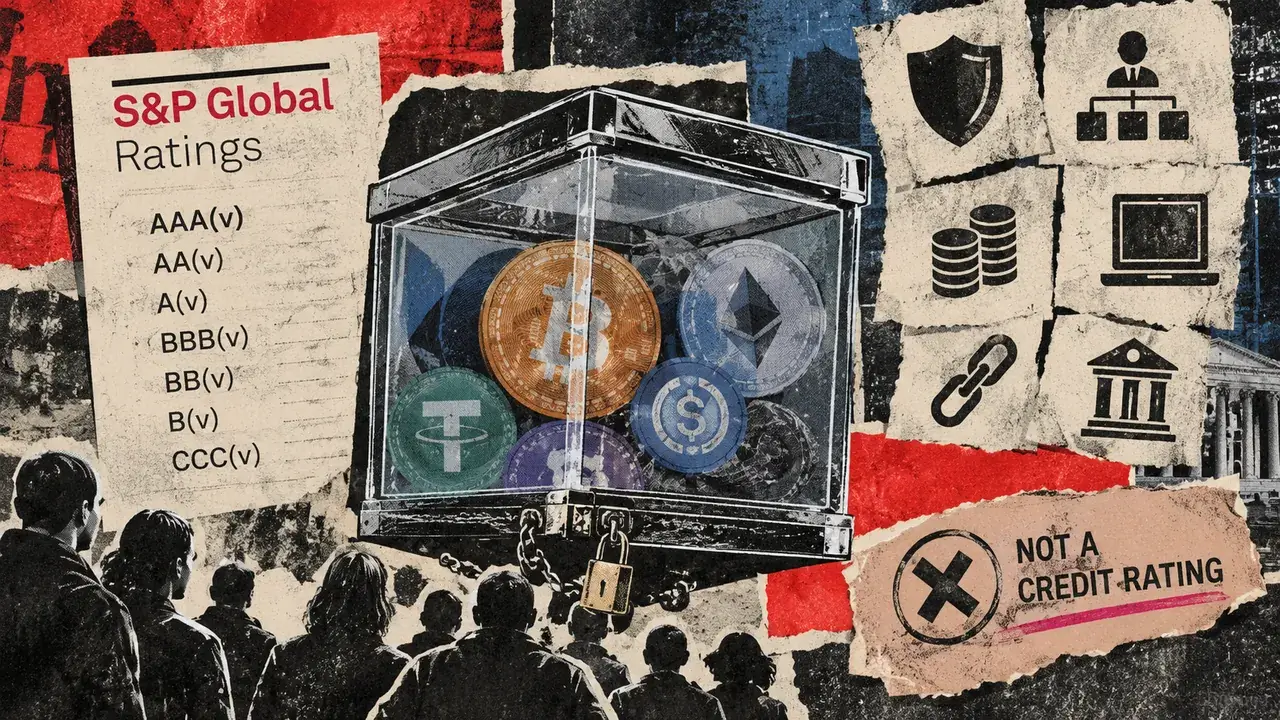
S&P Global’s new vault rating framework addresses the growing need for transparency in the $10 billion crypto vault market by applying credit-rating rigor to evaluate impairment risks. The framework focuses on the structural integrity of automated yield strategies, specifically aiming to quantify how likely a vault is to suffer loss of principal due to market volatility or code exploits. This initiative directly responds to a recent $6 million exploit on the Base network, which underscored the lack of standardized risk metrics for Layer 2 DeFi applications.
The introduction of these ratings marks a significant shift in the institutional perception of DeFi. Previously, crypto vaults operated largely as 'black boxes' where future returns were advertised without a clear breakdown of underlying security threats. By focusing on impairment analysis rather than promising specific returns, S&P is providing a tool that US-based institutional investors can use to satisfy fiduciary requirements while participating in on-chain yield products. This moves the industry closer to traditional finance (TradFi) standards where risk is transparently priced.
From a regulatory perspective, this move signals that third-party oversight is evolving faster than formal government legislation for DeFi. As US regulators continue to debate the classification of yield-bearing assets, S&P’s entry into the space provides a self-regulatory layer that could prevent more aggressive federal crackdowns. If successful, these ratings will likely become a prerequisite for any DeFi protocol seeking to attract major capital from US hedge funds or corporate treasuries in 2026.
Market participants should watch for the first official ratings to be assigned to major Ethereum and Base-based protocols. A high rating from S&P could lead to a 'flight to quality,' where capital migrates from unrated, high-APY vaults to those with validated security profiles. This may result in lower overall yields across the market as protocols prioritize safety and insurance over aggressive leverage to maintain their 'investment-grade' status.