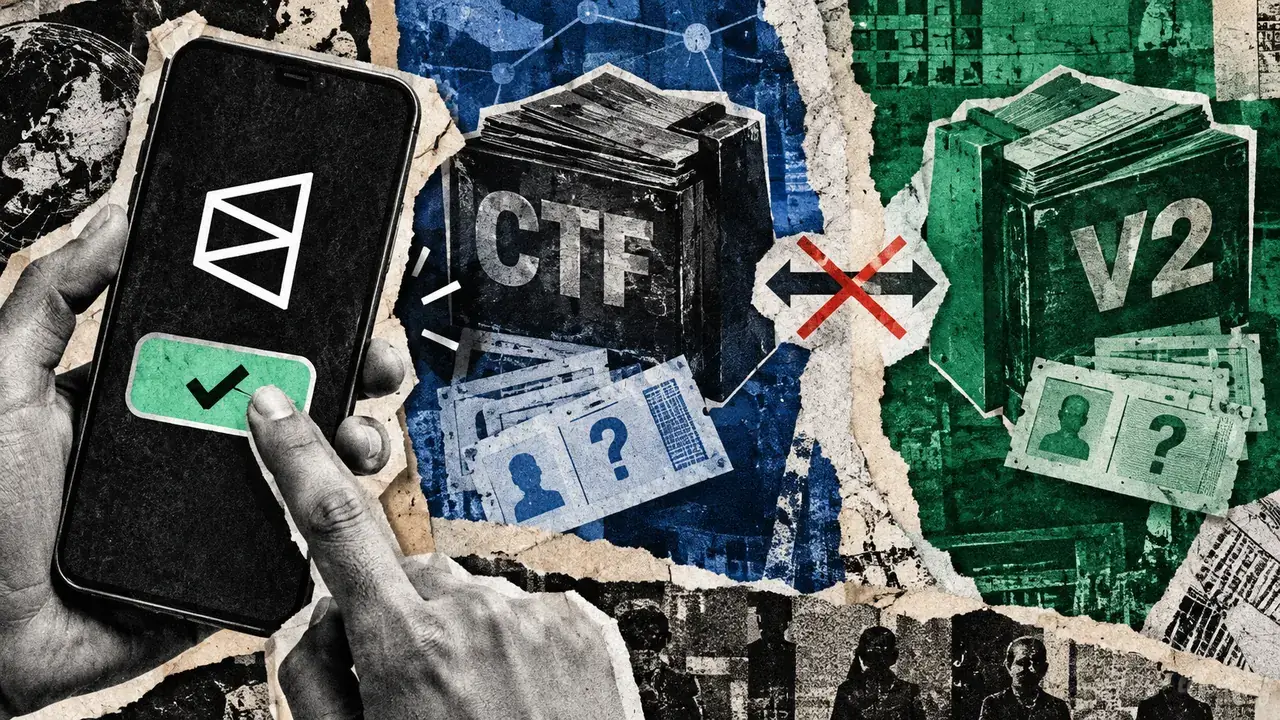
No, Polymarket will not automatically move your existing bets to the new V2 smart contracts. To ensure your positions remain active and compatible with the upgraded infrastructure, you must manually interact with approval prompts within the Polymarket interface as they appear. This manual transition is necessary to maintain the integrity of the Conditional Token Framework (CTF) while adopting the enhanced features and security patches provided by the V2 architecture.
For developers and third-party integrations, the upgrade requires a more technical approach. Systems must maintain backward compatibility with original CTF support while simultaneously adding V2-specific identifiers and updating permission settings. Failure to update these integrations could result in display errors or the inability to trade older positions through external dashboards, as the V2 contracts introduce a more streamlined way of handling market outcomes and liquidity permissions.
This upgrade comes at a critical time as decentralized prediction markets face increased volume and scrutiny from US regulatory bodies. By refining its smart contract efficiency, Polymarket aims to provide more robust settlement layers and better transparency for its growing user base. The shift to V2 is specifically designed to handle the higher transaction throughput and complex conditional logic required for the high-stakes political and economic markets expected throughout 2026.
Market participants should monitor for potential liquidity fragmentation between legacy and V2 contracts during the transition period. While the platform has designed the process to be as seamless as possible for retail users, the non-automatic nature of the move means that some volume may remain on old contracts until those specific markets expire. Investors should watch for the final migration window deadlines to ensure their capital remains in the most liquid pools.
Looking ahead, the success of this migration will be a key indicator of Polymarket's technical maturity. As the platform continues to dominate the prediction market landscape, the seamless rollout of V2—without significant user friction or technical debt—will likely bolster confidence in decentralized forecasting as a reliable alternative to traditional polling and speculative markets.