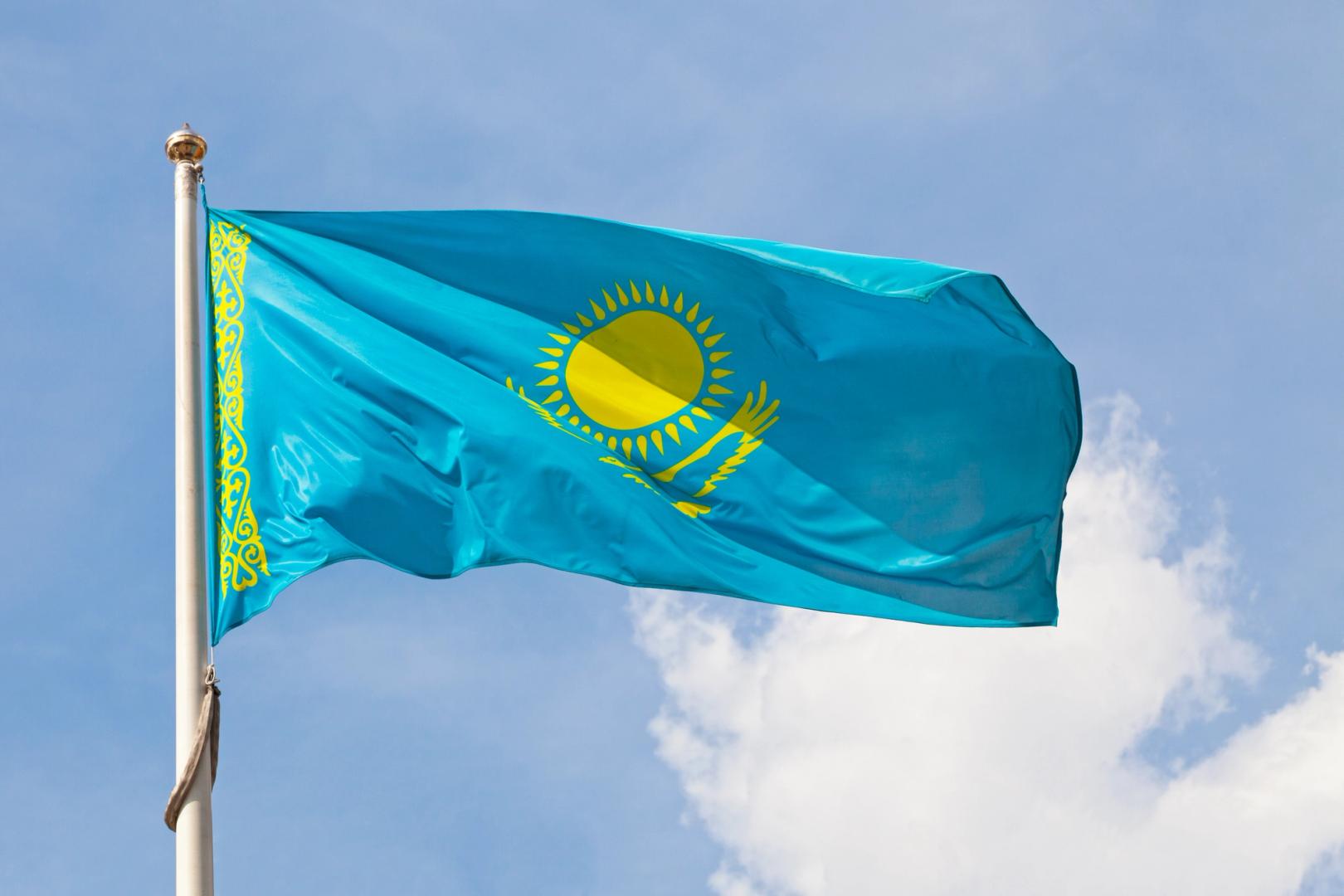
The National Bank of Kazakhstan (NBK) has officially entered a strategic partnership with Tether to develop a digital stablecoin pegged to the Kazakhstani Tenge and to establish a framework for tokenizing real-world assets (RWAs). Announced in early 2026, this initiative focuses on leveraging Tether’s technical infrastructure to enhance the efficiency of the domestic financial system. By integrating these digital assets into the national economy, the NBK aims to provide a more transparent and faster method for settlement and asset management within the country.
This move represents a strategic evolution for Kazakhstan, which has historically been known as a global hub for cryptocurrency mining. By shifting focus toward the software and settlement layer of blockchain, the government is seeking to capture the value of the growing RWA sector. The partnership with Tether allows the central bank to bypass the complex hurdles of building a proprietary blockchain from scratch, instead utilizing a battle-tested platform to pilot sovereign digital currency initiatives.
Geopolitically, the collaboration highlights a growing trend of central banks in emerging markets working alongside private stablecoin issuers rather than competing against them. This hybrid approach could serve as a model for other Central Asian nations looking to digitize their economies without the rigid constraints of a fully centralized CBDC. For Tether, this deal solidifies its role as a technology provider for state-level financial projects, expanding its influence beyond the USDT stablecoin.
Market implications for this partnership are significant, as it provides a clear use case for institutional RWA tokenization. As commodities and financial instruments move on-chain in Kazakhstan, liquidity for these assets is expected to increase, potentially attracting foreign investment into the region's digital asset ecosystem. The success of this pilot will likely depend on the regulatory clarity provided by the NBK regarding the legal status of tokenized property and stablecoin reserves.
Investors and analysts should watch for the upcoming technical pilot phases scheduled throughout 2026, which will test the Tenge-linked stablecoin in retail and interbank environments. Furthermore, the integration of RWA tokenization could lead to new DeFi protocols specifically tailored to Kazakhstani assets, creating a localized blockchain ecosystem that bridges traditional finance with decentralized technology.