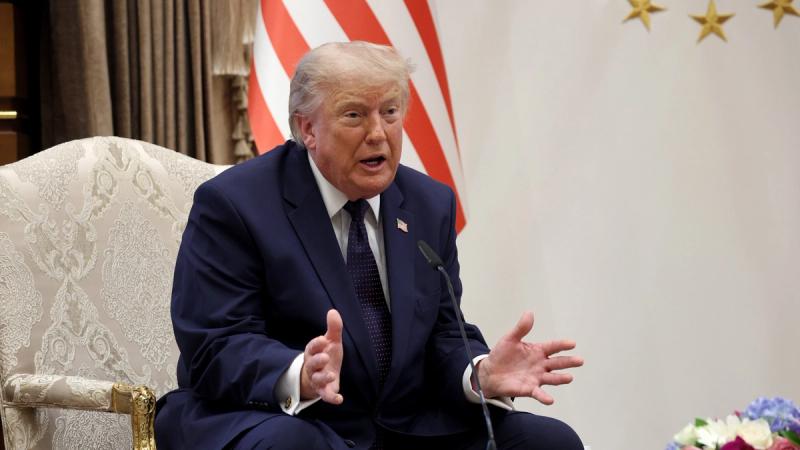
The energy ceasefire announced by President Trump between Russia and Ukraine is poised to improve Bitcoin mining profitability by lowering global energy price volatility. This agreement directly addresses the stability of power grids and energy exports, which are critical components of the cost structure for large-scale mining operations in the United States. As energy prices stabilize, miners can better forecast operational expenses, leading to a potential increase in the global hash rate as high-cost hardware becomes viable again.
This diplomatic breakthrough follows a statement from Ukrainian President Zelensky, who confirmed Ukraine's support for the ceasefire while emphasizing the necessity of Russian cooperation. The deal aims to halt attacks on critical energy infrastructure that have historically caused massive spikes in global natural gas and electricity markets. For the crypto industry, this signifies a move away from the extreme energy price fluctuations that forced many miners into emergency curtailment programs throughout 2025.
The market implications are significant for public mining firms and institutional investors. A reduction in the "war premium" on energy costs typically allows for improved profit margins for companies like Riot Platforms and Marathon Digital. Furthermore, a stable energy landscape encourages long-term infrastructure investment in the U.S. mining sector, as the risk of sudden, localized energy shortages decreases. This geopolitical shift acts as a de facto subsidy for energy-intensive blockchain networks by lowering the floor of their operating costs.
Moving forward, market participants should watch for Russia's formal adherence to the ceasefire terms and any potential shifts in U.S. domestic energy policy. If the ceasefire holds, the influx of stable energy supplies could lead to a downward trend in electricity spot prices in mining hubs like Texas. Additionally, observers should monitor whether this geopolitical de-escalation leads to a broader recovery in risk-on assets, including Bitcoin and Ethereum, as global uncertainty recedes.