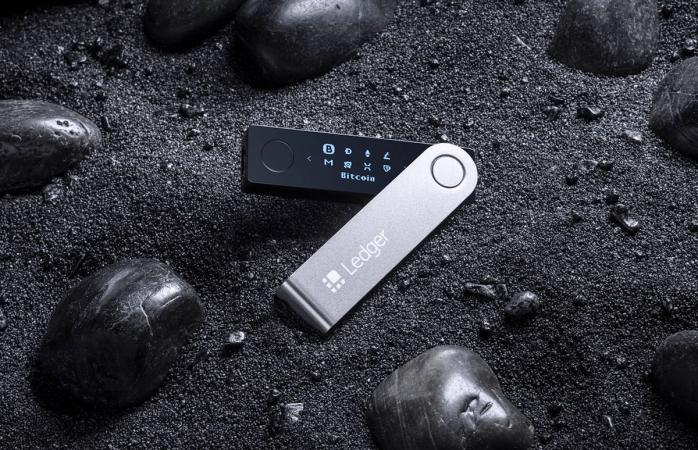
The theft of $86 million in digital assets was executed through tampered Ledger hardware devices sold by a third-party reseller in Southeast Asia, which allowed malicious actors to drain funds from Bitcoin (BTC), Ethereum (ETH), and Tron (TRX) addresses. Ledger confirmed the investigation in January 2026 following a surge in social media reports from users who discovered their wallets were emptied shortly after setup. Initial findings suggest that these devices were physically modified before reaching consumers, compromising the recovery phrases or the secure element integrity during the shipping process.
This security breach represents one of the largest hardware-related losses in crypto history, shifting the focus from software vulnerabilities to supply chain integrity. While Ledger’s core technology remains uncompromised at the manufacturing level, the intervention of a malicious middleman in the Southeast Asian market demonstrates how physical proximity to the device can bypass digital security measures. Users affected are primarily those who purchased their units through unofficial channels or regional marketplaces rather than directly from the manufacturer.
From a regulatory standpoint, the incident is expected to draw immediate attention from the U.S. Department of Commerce and the SEC regarding the import standards for cryptographic hardware. As US-based investors frequently use these devices for long-term self-custody, this $86 million loss may trigger new certification requirements for hardware wallet resellers operating within or exporting to the American market. The breach underscores the geopolitical risk of global hardware distribution, where local oversight of electronics resellers varies significantly.
For the broader market, this news is a stark reminder that even cold storage is not immune to sophisticated physical attacks. In the coming weeks, investors should watch for Ledger’s official forensic audit and potential firmware updates designed to better detect physical tampering. Crypto holders are urged to only purchase hardware wallets directly from verified manufacturers and to perform 'attestation' checks provided by the wallet software to ensure their device has not been modified.