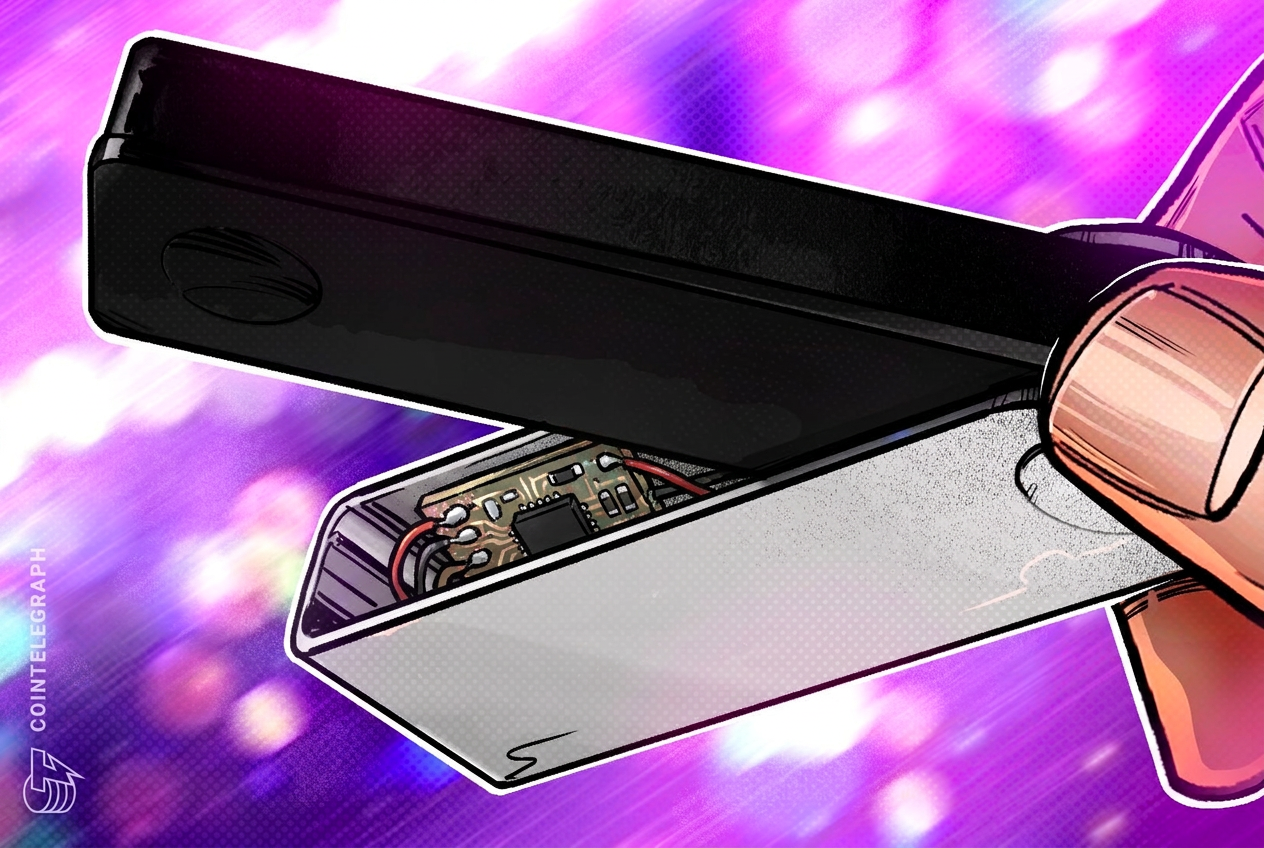
If you purchased your Ledger device directly from the official website or an authorized US retailer, your funds are currently considered safe. Ledger's early 2026 investigation confirmed that the unauthorized hardware implants—physical chips designed to exfiltrate private keys—were limited to a specific batch of devices sold by an unverified reseller in Southeast Asia. The company emphasizes that its core manufacturing facility in France was not compromised, meaning the 'Genuine Check' feature in Ledger Live remains a reliable tool for verifying device integrity.
The breach, which saw attackers siphon more than $86 million from unsuspecting users, occurred during the distribution phase rather than at the point of manufacture. This sophisticated supply chain attack allowed bad actors to intercept devices and install malicious components before they reached the end consumer. For US-based investors, this event serves as a stark reminder of the risks associated with 'gray market' purchases from third-party sites like eBay or unauthorized Amazon listings, where the chain of custody cannot be guaranteed.
Regulatory scrutiny is expected to intensify following this incident, with the US Consumer Product Safety Commission and the SEC likely to demand stricter audit trails for cryptographic hardware imports. While the $86 million loss is significant, the impact on the prices of major assets like Bitcoin and Ethereum has been relatively muted as the vulnerability was not a flaw in the blockchain protocol itself, but rather a physical security failure. However, trust in closed-source hardware models may face renewed pressure from proponents of open-source security.
Looking ahead, Ledger users should immediately perform a firmware update and run the 'Genuine Check' diagnostic. The company is expected to roll out enhanced tamper-evident packaging and a new blockchain-based supply chain verification system by mid-2026. If you have any doubt about the origin of your device, the safest course of action remains migrating your assets to a new seed phrase generated on a verified, factory-direct hardware wallet.