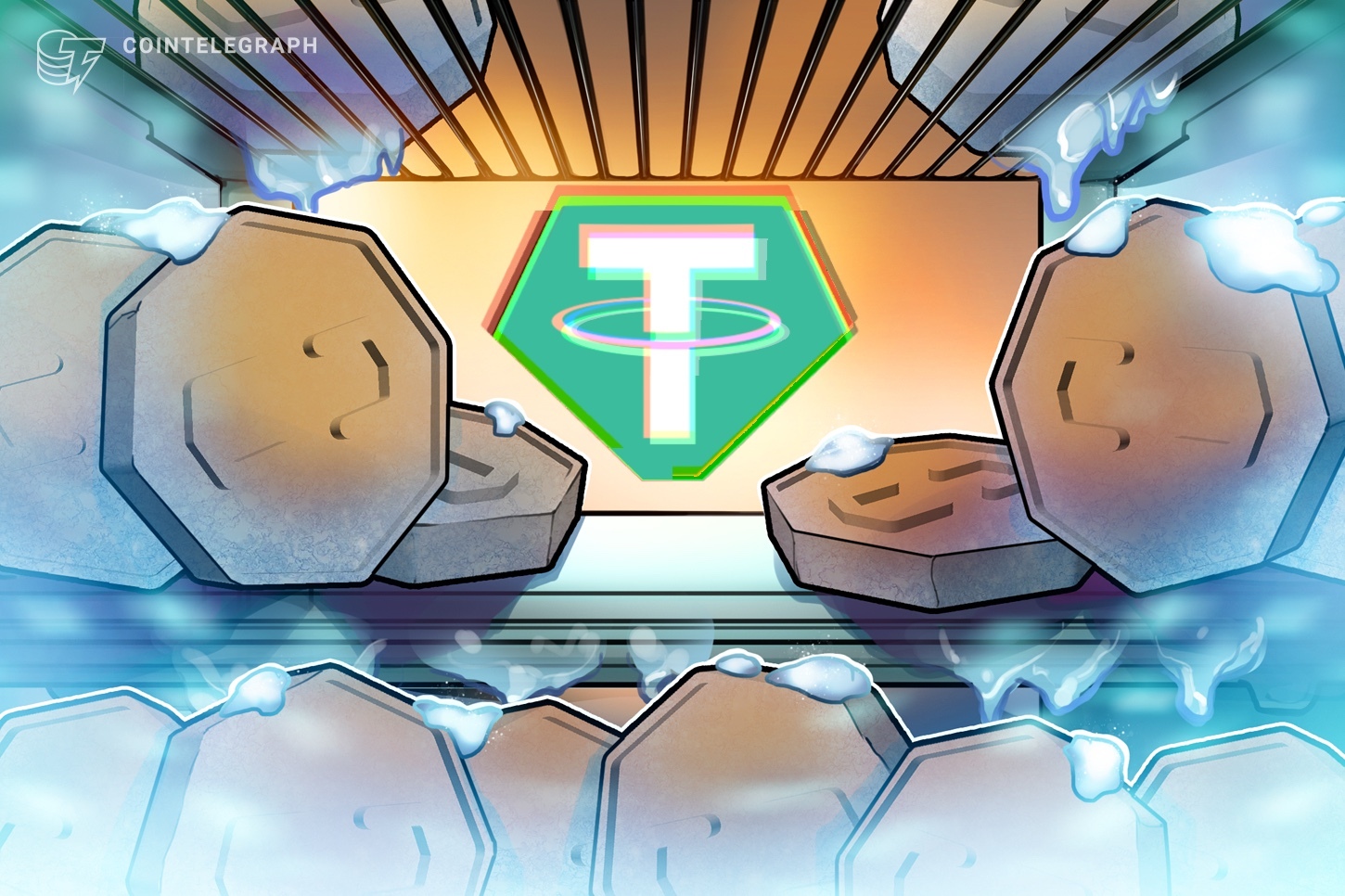
Chad Barraford, the technical co-founder of THORChain, recently revealed that Tether (USDT) temporarily froze liquidity vaults on the network before restoring access without any formal explanation. The freeze effectively halted the movement of USDT within specific THORChain pools, demonstrating that despite the decentralized nature of the protocol, the underlying centralized assets remain subject to the discretion of the issuer. This event serves as a stark reminder of the 'kill-switch' capabilities inherent in centralized stablecoins like USDT.
The freeze occurred without prior warning, leading to a temporary disruption in cross-chain swaps involving USDT. While the funds were eventually unfrozen, the lack of communication from Tether regarding the specific trigger—whether it was a regulatory request, a security precaution, or a technical anomaly—has caused friction within the DeFi community. For THORChain users, this event underscores the protocol's dependency on the stability and cooperation of third-party asset issuers.
From a regulatory perspective, this action aligns with the increased pressure on stablecoin issuers in 2026 to monitor and potentially restrict flows to protocols that facilitate high-volume, permissionless cross-chain transactions. As US regulators tighten oversight on 'unhosted' liquidity pools, centralized issuers are often forced to take proactive measures to avoid compliance penalties. This creates a challenging environment for DeFi platforms that aim to provide censorship-resistant financial services while relying on centralized collateral.
Moving forward, market participants should watch for a formal post-mortem from the THORChain team or a statement from Tether to clarify if this was an isolated incident or part of a new enforcement strategy. This event may accelerate the shift toward more decentralized, over-collateralized stablecoins within the THORChain ecosystem to mitigate the risk of sudden liquidity freezes. While the immediate impact on RUNE prices has been stabilized by the unfreezing, the long-term sentiment regarding centralized asset integration in DeFi remains cautious.