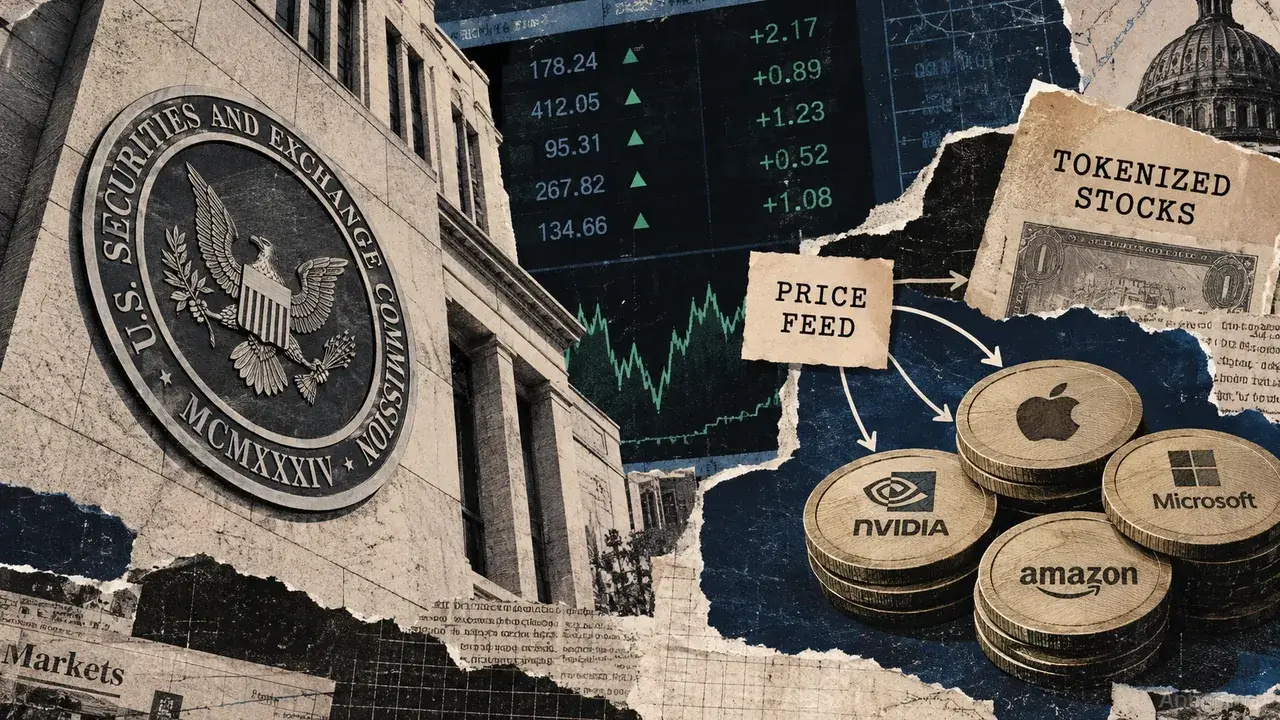
In 2026, tokenized stocks do not carry the same trading protections as traditional equities, even if they grant identical shareholder rights. While recent industry efforts have standardized how economic benefits are distributed on-chain, these digital assets operate without the venue-level safeguards mandated for national securities exchanges. This means that while a token holder might receive a dividend, they do not benefit from FINRA-member broker duties, such as 'best execution' requirements or the trade cancellation protocols that protect investors during periods of extreme market volatility.
On October 9, 2026, Douro Labs submitted new guidance aimed at improving the 'feed-quality' of tokenized stock data. This technical framework seeks to ensure that the price feeds used by DeFi protocols are accurate and resistant to manipulation. However, Douro Labs explicitly noted that these data standards are distinct from the regulatory duties of brokers. This distinction highlights a growing gap in the RWA (Real World Asset) sector: the underlying data is becoming institutional-grade, but the decentralized venues where these tokens trade are not yet under the same consumer protection umbrella as the NYSE or Nasdaq.
The regulatory landscape in 2026 remains focused on this friction between decentralized efficiency and investor safety. The SEC and FINRA have maintained that the wrapper of a 'token' does not exempt a platform from exchange registration if it performs the functions of a marketplace. For US-based users, the lack of SIPC insurance on DeFi platforms means that in the event of a platform failure or a smart contract exploit, there is no federal safety net to recover lost tokenized shares, unlike the $500,000 protection offered in traditional brokerage accounts.
For the broader crypto market, the maturation of these standards is a double-edged sword. While Douro Labs’ guidance makes it easier for protocols to integrate high-fidelity stock prices, the lack of traditional protections may limit institutional capital inflow to permissioned environments. Investors should closely watch whether DeFi protocols begin to voluntarily adopt 'broker-like' safeguards or if the SEC will force these venues to register as Alternative Trading Systems (ATS) to bridge the protection gap. The success of Pyth Network’s data feeds in implementing these Douro Labs standards will be a key indicator of market readiness.