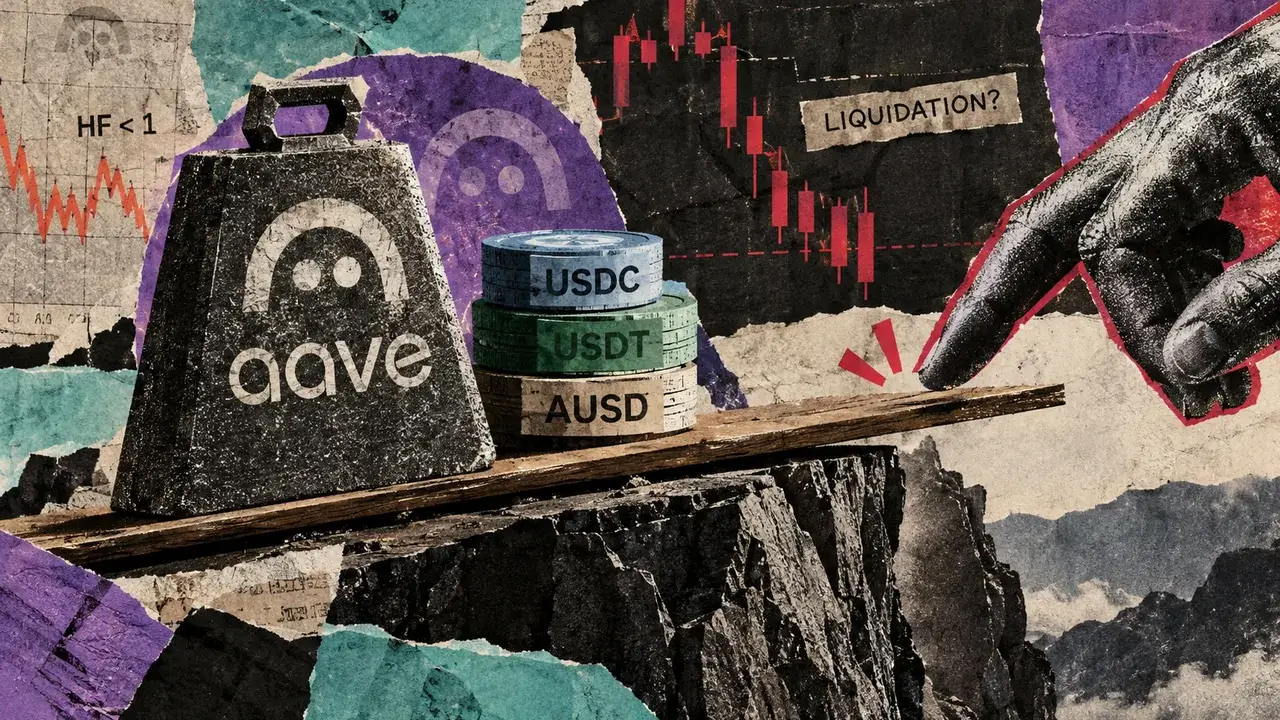
As of October 9, 2026, several large borrowing positions on Aave have moved dangerously close to their liquidation thresholds, highlighting a critical vulnerability in how the protocol handles illiquid collateral. The core issue lies in the redemption time for specific staked or wrapped assets, which can take several hours to cash out into the stablecoins needed to repay the underlying loans. If the market price of these assets drops significantly during the redemption delay, the value of the collateral may no longer cover the debt, leading to potential insolvency for specific lending pools.
This situation has sparked concerns among DeFi risk managers who track 'time-to-liquidation' as a primary safety metric. Unlike highly liquid assets like wrapped Bitcoin or Ethereum, which can be swapped instantly, these lagging collateral types require a multi-step redemption process that is currently too slow for the high-velocity price movements seen in recent weeks. Data snapshots indicate that if a flash crash were to occur, liquidators might be unable to exit positions fast enough to protect the protocol’s secondary reserves.
From a US regulatory perspective, this incident reinforces the Treasury's ongoing scrutiny of DeFi protocols that function like traditional shadow banks but without the same liquidity buffers. US-based Aave users should be aware that the Aave Risk DAO is currently debating emergency measures, including increasing the liquidation spread or lowering the Loan-to-Value (LTV) ratios for these specific assets to account for the 'exit lag.' This move could trigger forced deleveraging for many active borrowers.
Market participants should watch for upcoming governance votes on the Aave platform regarding risk parameter adjustments for long-redemption assets. If the protocol fails to address these liquidity gaps, we may see a migration of capital toward more conservative lending platforms or an increase in the cost of borrowing as risk premiums rise. For now, borrowers using exotic or staked collateral should maintain higher collateralization ratios to avoid being caught in a slow-motion liquidation event.