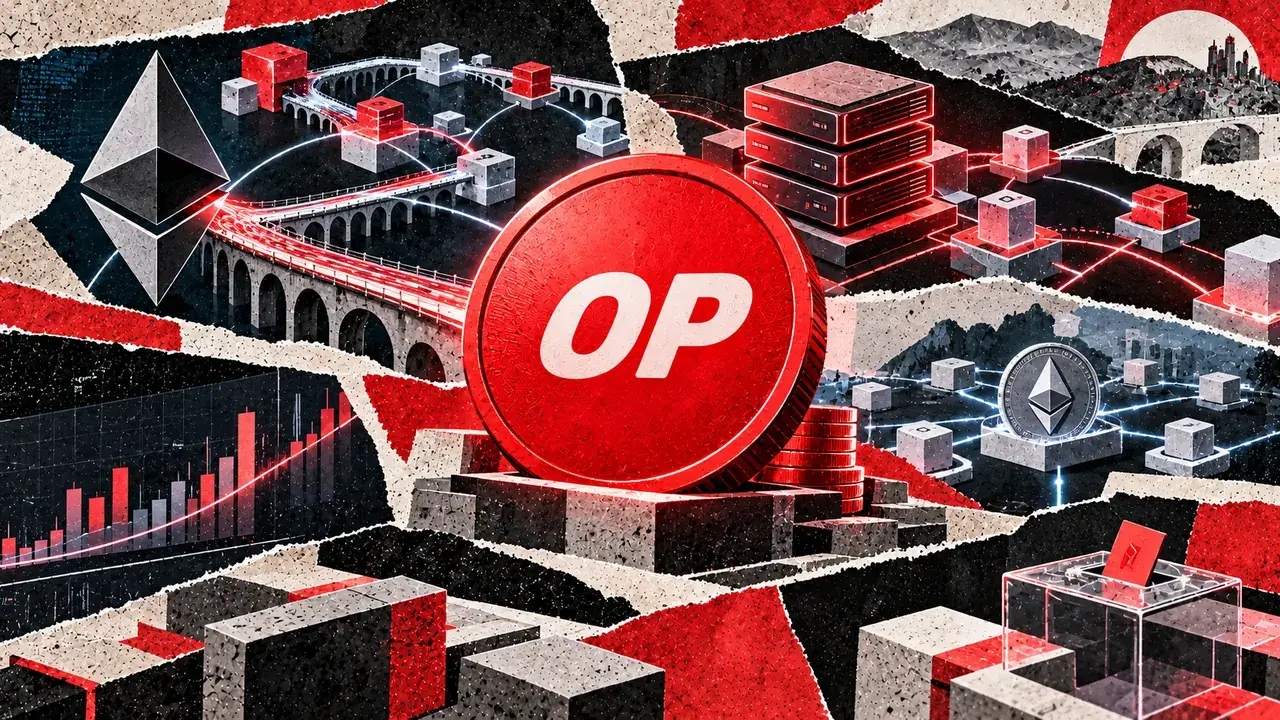
The October 2026 migration of Unichain into the Optimism Superchain ecosystem will concentrate a larger share of Layer 2 operations under a single operator, Optimism. This deal effectively streamlines cross-chain interoperability across the Superchain, but it also creates a dependency where the critical 'Ethereum fallback' safety mechanisms—which allow users to exit to the mainnet—now rely heavily on the specific smart contract deployments of each individual chain. By moving more operations under one roof, Optimism aims to unify liquidity, though it increases the ecosystem's reliance on its specific sequencing infrastructure.
This consolidation follows a year of intense competition among Ethereum scaling solutions to attract high-volume DeFi protocols like Unichain. By migrating these operations, Optimism is positioning itself as the primary hub for Uniswap-related activity, which historically accounts for a massive portion of Ethereum’s transaction volume. However, the technical shift means that fallback routes are no longer standardized across the board; instead, they are contingent on how Unichain and its partner chains have deployed their specific bridge and exit contracts, requiring users to perform deeper due diligence on individual chain security.
From a regulatory perspective in the United States, this move toward 'operator concentration' may draw attention from the CFTC and SEC regarding the role of centralized sequencers. As more chains migrate to a single operator model, the risk of a single point of failure or censorship at the sequencer level becomes a more prominent concern for US-based institutional investors. The industry is currently watching to see if the Optimism Collective will introduce further decentralization milestones for its sequencer set to mitigate these concentration risks before the October deadline.
For the market, this migration is a double-edged sword. While it simplifies the user experience for those moving assets between Unichain and other Optimism-based layers, it creates a more complex landscape for developers who must ensure their fallback routes are robust against sequencer outages. Investors should closely monitor the technical audits of Unichain’s deployed contracts leading up to October 2026, as any vulnerabilities in the fallback logic could lead to significant liquidity traps if the primary operator experiences downtime.