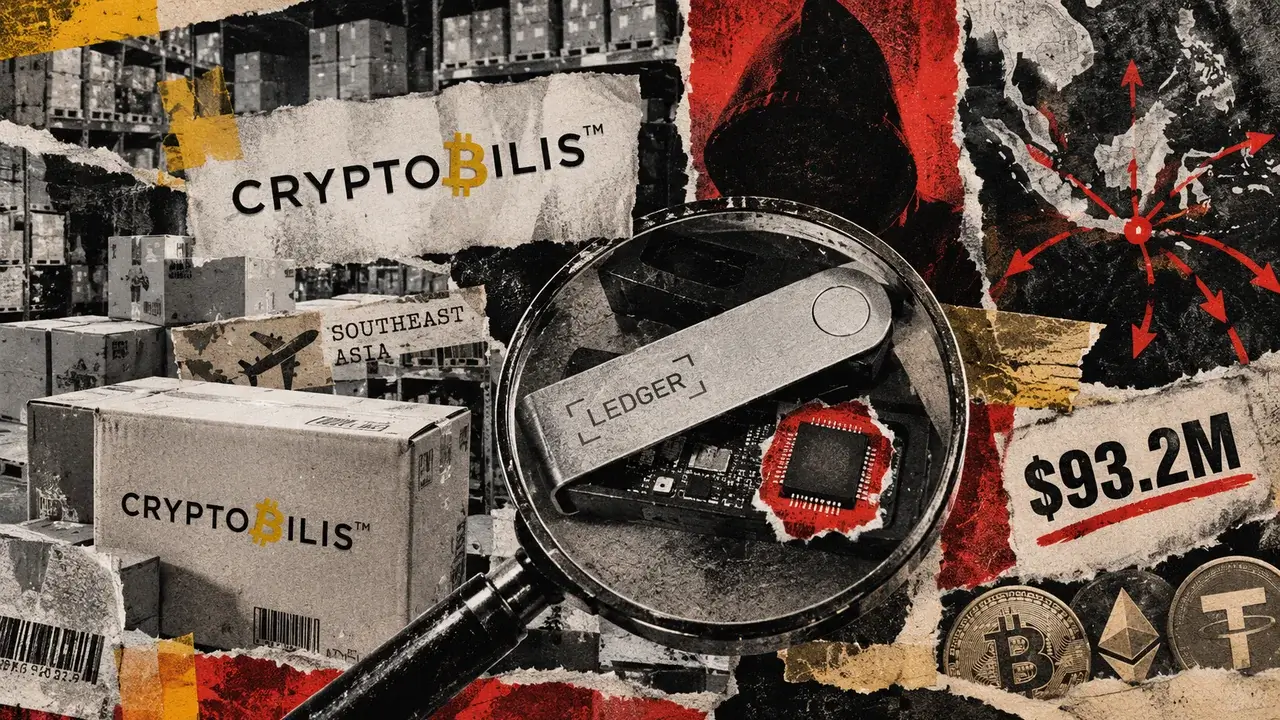
An unauthorized hardware implant bypassed Ledger's internal authenticity checks by physically altering the internal circuitry to intercept and spoof the 'Genuine Check' verification process. Ledger confirmed the breach on October 10, 2026, after investigators linked a series of high-value thefts totaling over $93 million to a single affected user device. The compromised unit was traced back to CryptoBilis, an authorized reseller operating in Southeast Asia, suggesting a targeted supply chain attack rather than a remote software exploit.
According to independent security investigators, the implant functioned by allowing the device to pass the cryptographic handshake required by the Ledger Live software while simultaneously granting attackers access to private keys or recovery phrases during the setup process. This revelation is particularly damaging because Ledger’s marketing has long centered on the 'Secure Element' as a foolproof defense against physical tampering. The fact that a modified device could be flagged as 'genuine' by the official software exposes a critical blind spot in current hardware verification protocols.
In the U.S., this incident is expected to draw scrutiny from the Federal Trade Commission (FTC) and the SEC, especially concerning consumer protection standards for crypto-asset custody. As the industry pushes for wider institutional adoption in 2026, the failure of a leading hardware wallet provider to secure its supply chain provides ammunition for regulators who argue that self-custody remains too risky for the average investor. US-based users who did not purchase directly from the manufacturer are now being urged to reassess their device integrity.
Market sentiment has reacted negatively to the news, as hardware wallets are generally considered the gold standard for long-term storage. While the breach appears localized to specific batches from a regional reseller, the psychological impact on the 'HODL' community is significant. If users cannot trust the hardware verification process, the perceived risk of self-custody increases, potentially driving more assets toward regulated institutional custodians or multi-sig solutions that do not rely on a single point of failure.
Moving forward, investors should watch for a mandatory firmware update or a new hardware revision from Ledger designed to detect these specific physical implants. Ledger users who purchased devices through third-party resellers, even authorized ones like CryptoBilis, are advised to move their funds to a new seed phrase generated on a verified device purchased directly from the manufacturer. The industry will likely see a push for 'Proof of Physical Integrity' standards to prevent similar supply chain compromises in the future.