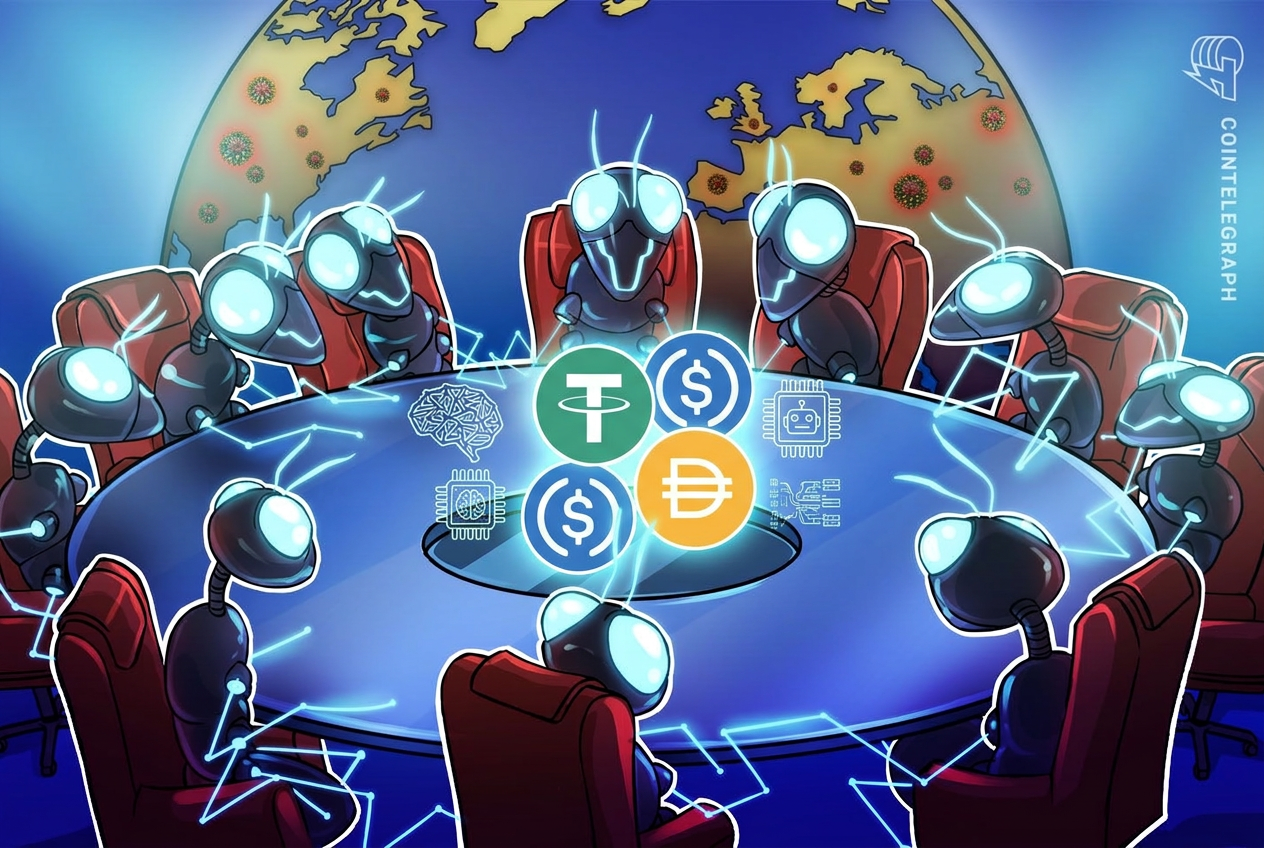
The Financial Stability Board (FSB) has officially recommended that G20 policymakers adopt unified safeguards for cross-border stablecoins to mitigate systemic financial risks in 2026. Specifically, the FSB is targeting the vulnerabilities inherent in multi-jurisdictional stablecoin arrangements and the burgeoning cybersecurity threats posed by AI integration in financial services. These proposals seek to ensure that stablecoins used for international trade are subject to the same rigorous oversight as traditional banking systems to prevent unauthorized capital flight and money laundering.
This move comes as the G20 prepares for its 2026 summit, where digital asset regulation remains a top priority for global economic stability. The FSB’s report highlights that while stablecoins offer efficiency in cross-border payments, their current lack of standardized global oversight could lead to market contagion during periods of liquidity stress. Furthermore, the watchdog flagged that generative AI is being increasingly leveraged by malicious actors to target crypto exchange infrastructures, necessitating a coordinated global response to protect retail and institutional investors.
For the US crypto market, these recommendations could signal a shift toward more stringent "Know Your Customer" (KYC) and reserve transparency requirements for major stablecoin issuers. If G20 nations adopt these standards, US-based issuers like Circle may face new compliance hurdles when operating in foreign markets, while decentralized stablecoins could face increased pressure regarding their collateralization and peg-stability mechanisms. This regulatory alignment is intended to harmonize the fragmented landscape that currently exists between US and European digital asset laws.
Investors should monitor the upcoming G20 finance ministers' meeting for formal endorsements of the FSB’s framework. The implementation timeline for these safeguards will be critical, as it may influence liquidity in the DeFi ecosystem, which relies heavily on stablecoins for automated market making and lending. Additionally, any specific AI-related cybersecurity mandates could increase operational costs for major trading platforms and custodians throughout the remainder of 2026 as they bolster their defenses against sophisticated automated attacks.