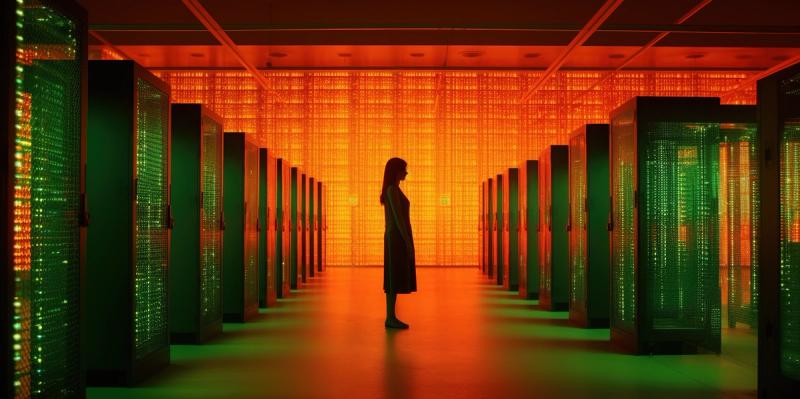
SWI Group has confirmed that the proceeds from its 800 million-euro ($894 million) fundraise will be exclusively dedicated to transforming Genesis Digital Assets (GDA) into an AI-focused data center provider. The pivot involves retrofitting massive energy sites—acquired during the FTX bankruptcy liquidations—to support the dense power requirements of GPU-heavy artificial intelligence workloads. By moving away from a pure-play Bitcoin mining model, SWI Group aims to leverage existing grid connections to meet the insatiable demand for AI processing power in 2026.
The acquisition and subsequent repurposing of GDA represent one of the most significant outcomes of the FTX collapse recovery. Originally a major player in the global hash rate, GDA’s infrastructure is now being viewed as a strategic real estate asset rather than just a crypto mining vessel. This reflects a broader geopolitical and economic trend where energy-dense facilities are being prioritized for high-performance computing (HPC) to maintain a competitive edge in the global AI race.
For the US market, this transition highlights the evolving utility of industrial-scale crypto mining sites. As domestic regulations around carbon footprints and energy consumption for Bitcoin mining become more stringent, the shift toward AI-centric data centers provides a regulatory-friendly path for infrastructure companies to maintain profitability. Analysts suggest that this capital injection could set a precedent for other distressed mining assets to seek similar private equity-backed transformations.
Moving forward, market participants should watch the technical execution of this transition, as converting sites optimized for ASICs into facilities capable of housing advanced GPU clusters presents significant engineering hurdles. Furthermore, the successful deployment of this $894 million fund will likely influence how institutional investors value 'energy-first' crypto projects. The scale of this investment suggests that the boundary between the crypto mining industry and the broader tech infrastructure sector will continue to blur throughout 2026.