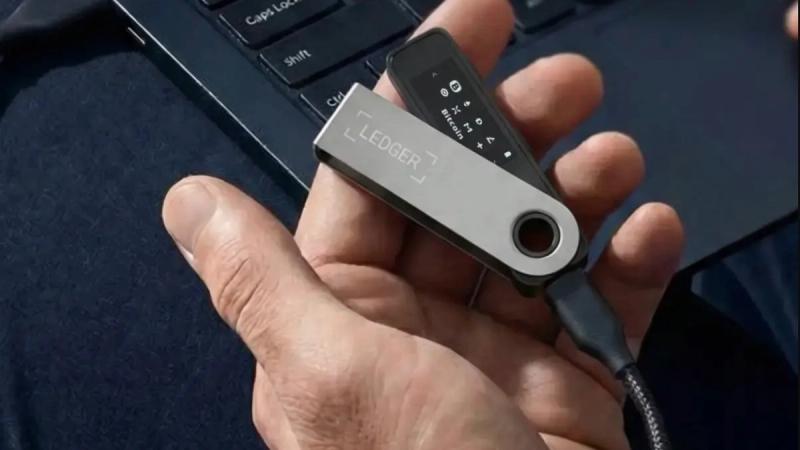
Your Ledger hardware wallet remains safe if it was purchased directly from Ledger's official website or other verified retail partners, as the company maintains that the recent exploit was isolated to devices distributed by the Southeast Asian reseller CryptoBilis. Ledger's internal investigation and blockchain analysis have so far traced $93 million in stolen assets linked to this specific sales channel, with roughly $10 million successfully frozen by collaborating exchanges. The company insists that the core hardware and Secure Element chip were not compromised, but rather that the devices sold through this specific partner were tampered with prior to reaching consumers.
This security breach has sparked a heated debate regarding the liability of hardware manufacturers for their authorized sales channels. Critics argue that Ledger must implement stricter oversight and cryptographic proof-of-origin protocols for its global partners to prevent supply chain attacks. While the bulk of the affected users are located in Southeast Asia, the incident serves as a stark warning to US-based investors who frequently purchase hardware wallets from third-party marketplaces like Amazon or eBay, where supply chain integrity is harder to verify.
From a regulatory standpoint, this event could prompt the US Federal Trade Commission (FTC) to take a closer look at consumer protection standards for crypto-asset hardware manufacturers. If regulators deem that Ledger failed to adequately vet its 'authorized' distributors, the company could face fines or mandatory changes to its distribution model. This could set a precedent for the entire industry, forcing competitors to rethink how they manage international logistics and third-party partnerships.
For the broader crypto market, this news is a reminder of the 'not your keys, not your coins' mantra, but with an added layer of complexity: you must also trust the physical hands that delivered those keys. Investors should immediately check their purchase history to ensure their devices did not originate from CryptoBilis. In the coming weeks, market participants should watch for Ledger’s promised security audit of all remaining global resellers and any potential law enforcement updates regarding the recovery of the remaining $83 million in missing funds.