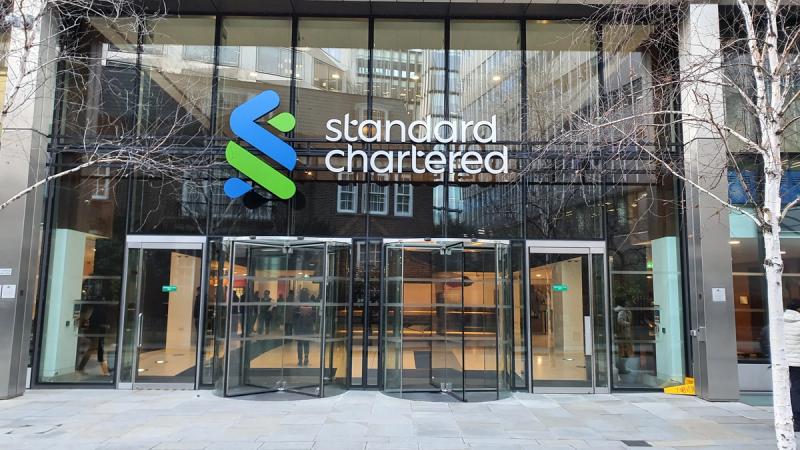
Standard Chartered's move to offer RLUSD custody in Dubai, combined with a strategic collateral link with LMAX, provides a direct answer to institutional demands for regulated digital asset management in 2026. By providing custody within the Dubai International Financial Centre (DIFC), the bank allows hedge funds and institutional desks to hold Ripple’s stablecoin with the same security as traditional fiat, while the LMAX integration enables that stablecoin to be used as collateral for complex trading strategies. This dual-layered approach effectively bridges the gap between legacy banking and the burgeoning stablecoin economy.
The development follows Ripple’s $150 million financing of LMAX to integrate RLUSD into its institutional infrastructure, a foundational step that has now culminated in this multi-bank ecosystem. Dubai’s Virtual Assets Regulatory Authority (VARA) has provided the necessary legal clarity for this launch, making it a primary hub for firms seeking to avoid the regulatory friction still present in US domestic markets. The link between Standard Chartered’s custody and LMAX’s execution capabilities creates a seamless pipeline for institutional liquidity to flow into the Ripple ecosystem.
From a geopolitical and regulatory standpoint, this expansion highlights the Middle East's growing dominance in the crypto-native institutional banking sector. As US-focused firms look for stable, compliant environments to deploy capital, the Standard Chartered-Dubai corridor offers a blueprint for how traditional Tier-1 banks can support stablecoin utility. This integration not only boosts RLUSD’s credibility but also positions it as a formidable competitor to other institutional-grade stablecoins in the cross-border settlement space.
For the broader market, this infrastructure signals a long-term bullish trend for the XRP Ledger (XRPL), the primary network for RLUSD issuance. Increased institutional utility typically translates to higher network volume and greater demand for the underlying ecosystem’s reliability. Investors should watch for further announcements regarding RLUSD’s integration into other global liquidity providers and the potential for similar custody arrangements in other crypto-friendly jurisdictions like Singapore or Hong Kong.