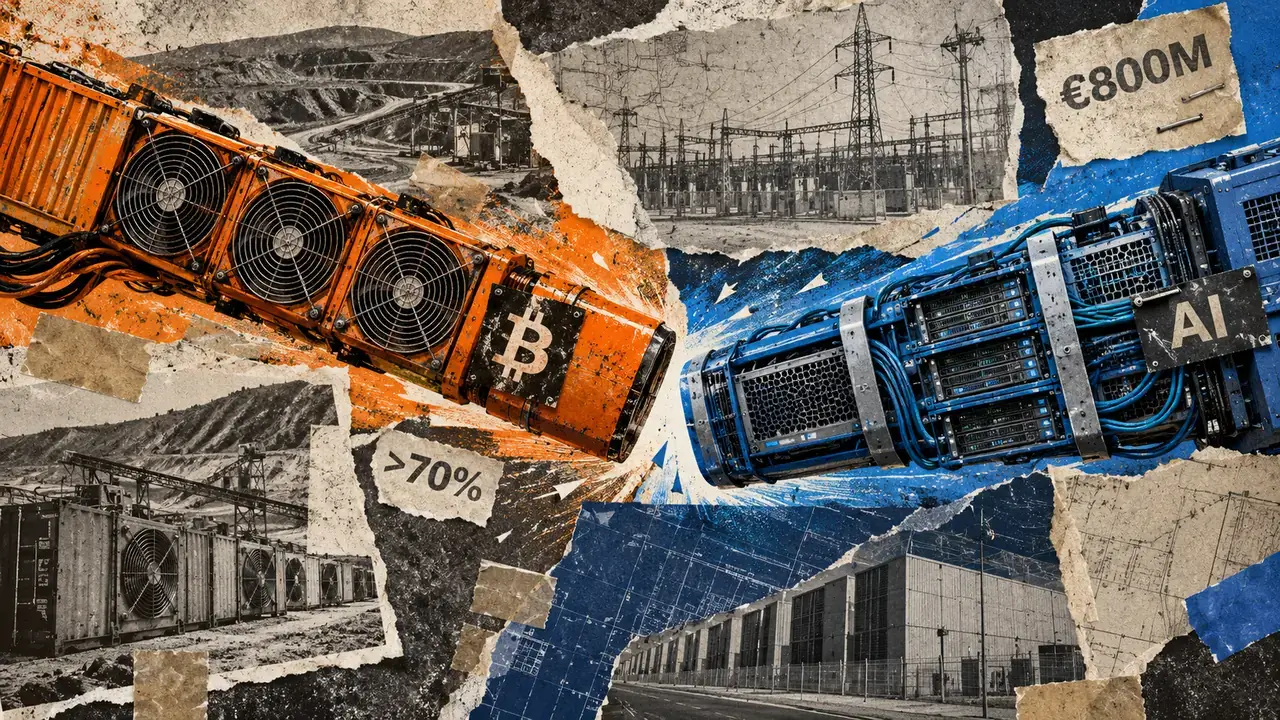
Genesis Digital Assets (GDA) is currently repositioning its global fleet of Bitcoin mining sites to support a dual-purpose strategy involving high-performance computing (HPC) and artificial intelligence. Following a fresh €800 million equity raise by its parent company, SWI, in early 2026, the firm is leveraging its massive power capacity and established data center infrastructure to host AI workloads. This move allows GDA to move beyond a pure-play crypto mining model and capture the higher margins currently offered by the generative AI sector.
The shift marks a definitive new chapter for GDA, which was historically known for its ties to the former FTX estate. By securing this significant capital injection, SWI has effectively decoupled GDA’s future from its past associations, focusing instead on the "AI-crypto convergence" trend. The strategy reflects a broader industrial movement where large-scale miners are repurposing their energy-heavy assets to serve the compute-hungry needs of Silicon Valley’s largest AI developers.
For US-based stakeholders and energy regulators, this transition is particularly relevant as it alters the load profile of major data centers. As the US government continues to scrutinize the environmental footprint of Proof-of-Work mining, GDA’s shift toward AI-centric infrastructure may provide a regulatory buffer, aligning the company with national strategic interests in maintaining American leadership in artificial intelligence.
Market participants should watch how this capital deployment affects Bitcoin’s global hashrate and the valuation of other publicly traded miners. If GDA successfully transitions a significant portion of its capacity to AI, it could lead to a temporary drop in mining difficulty while setting a precedent for other industry giants like Riot or Marathon to accelerate their own hybrid HPC models to stabilize revenue during volatile crypto market cycles.