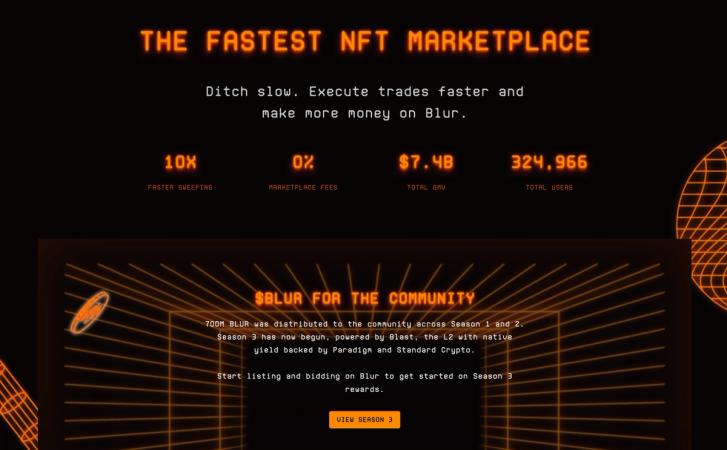
Blur, once the leading Ethereum NFT marketplace by volume, will officially shut down its website on November 12, 2026. The platform’s decision follows a catastrophic decline in activity, with monthly trading volume plummeting from its 2023 peak of approximately $1.43 billion to less than $7 million today. The closure follows just ten days after the team’s sister project, the Layer 2 network Blast, announced its own shutdown, signaling a full retreat by the development team from the current market landscape.
The downfall of Blur highlights the fragility of high-incentive trading models in the NFT space. The platform originally gained market share by offering aggressive token rewards and a zero-fee structure tailored to professional flippers. However, as the broader NFT market shifted away from speculative high-frequency trading, Blur’s liquidity-driven ecosystem struggled to retain users, eventually leading to the 99% volume collapse reported this month.
From a regulatory and market perspective, the exit of Blur and Blast reflects a broader trend of consolidation within the Ethereum ecosystem. US-based traders who utilized Blur for sophisticated hedging and bidding strategies must now migrate to remaining platforms like OpenSea or decentralized alternatives. The lack of sustainable organic demand, combined with the operational costs of maintaining a platform in a low-volume environment, appears to have made the project untenable for its founders.
Market participants should immediately ensure that all active bids are canceled and any remaining assets are secured before the November 12 deadline. The closure is expected to exert downward pressure on Ethereum-based NFT floor prices in the short term as the ecosystem loses one of its primary liquidity aggregators. Analysts will be watching whether this volume migrates to newer protocols or if it signals a permanent contraction of the professional NFT trading sector.