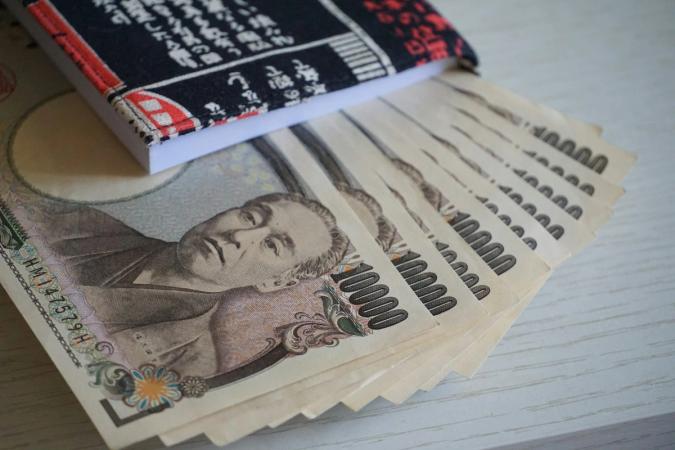
The stagnation of Japan’s premier yen-pegged stablecoin in 2026 is directly attributed to the 1 million yen ($6,500 USD) per-transaction cap imposed on Type II funds transfer providers. According to Noritaka Okabe, CEO of the issuing entity, this regulatory restriction makes the asset impractical for corporate treasury management and B2B settlement. As a result, the stablecoin's first-year performance fell significantly short of its internal targets, as large-scale users remained sidelined by the inability to move significant capital.
While Japan was among the first major economies to establish a legal framework for stablecoins, the classification of issuers has become a structural bottleneck. Under the current Payment Services Act, most non-bank issuers operate under Type II licenses, which were originally designed for small-scale retail remittances. For a corporation looking to settle million-dollar invoices or manage cross-border supply chains, a $6,500 limit acts as a functional barrier to entry, forcing them to stick with traditional wire transfers or USD-denominated digital assets.
This disappointing start for the yen stablecoin market suggests that until the Financial Services Agency (FSA) revises these caps or facilitates more Type I licenses—which allow for higher transaction volumes—the domestic market will remain confined to retail use cases. The lack of corporate liquidity has kept trading volumes thin, preventing yen-backed tokens from providing a viable alternative to the dominance of dollar-backed assets like USDT or USDC within the Japanese digital economy.
Moving forward into late 2026, observers should watch for potential legislative amendments or new licensing categories. Industry leaders are currently lobbying for a specific 'institutional tier' of stablecoin issuance that would allow for higher limits under stricter KYC/AML oversight. The success of these regulatory adjustments will determine whether Japan can truly integrate its national currency into the global Web3 ecosystem or if its stablecoin market will remain a niche retail product.