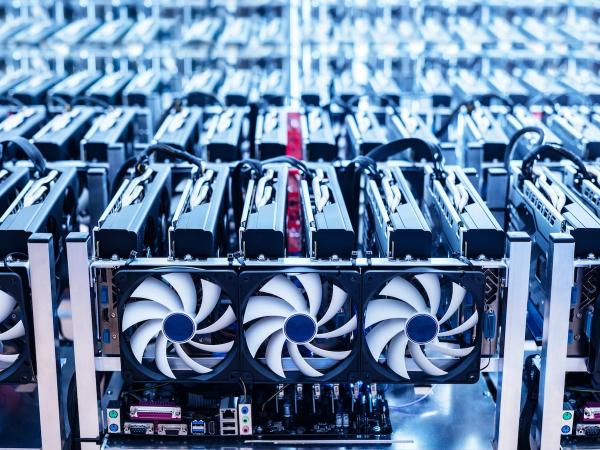
Luxor’s $16 million capital injection is designed to bridge the gap between Bitcoin mining and AI infrastructure by creating a liquid market for computing power. By expanding its hardware and trading desks, Luxor is providing the tools for data centers to buy, sell, and hedge AI compute capacity, effectively turning processing power into a tradable financial asset. This allows participants to lock in prices and mitigate the risks associated with the high capital expenditures required for AI-grade GPUs.
The move comes as US-based Bitcoin miners increasingly pivot toward hosting high-performance computing (HPC) workloads to maximize the value of their energy infrastructure in 2026. Luxor’s expansion focuses on developing a secondary market for hardware and the derivatives needed to manage price volatility. As global energy demands for data centers reach new heights, the ability to commoditize compute is becoming as critical as traditional power-purchasing agreements.
For the broader crypto market, this signals the maturation of mining infrastructure into a broader "Compute-as-a-Service" model. It reduces the capital risk for miners transitioning to AI, as they can now use Luxor’s platform to hedge their hardware investments against market downturns. This financialization of compute could attract institutional investors who previously found the physical hardware side of the industry too illiquid or high-risk.
Readers should watch for the launch of standardized compute contracts and potential regulatory oversight regarding these new derivatives. As the distinction between crypto mining and cloud computing blurs, the successful adoption of these hedging strategies will likely become a key differentiator in the valuations of public mining companies. The integration of AI hardware trading into crypto-native platforms suggests a permanent shift in how digital infrastructure is financed and managed.