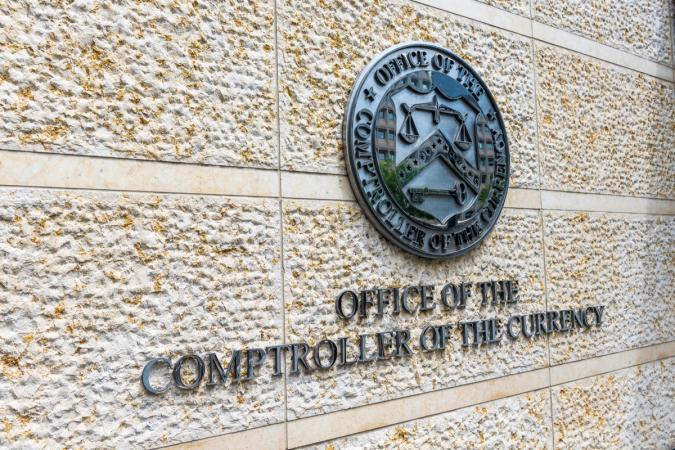
The Office of the Comptroller of the Currency (OCC) is actively encouraging U.S. community banks to integrate stablecoin payment infrastructures to prepare for upcoming federal licensing requirements scheduled for late 2026. By providing these smaller lenders with a pathway to offer digital asset settlement and custody, the regulator intends to ensure that local banks remain competitive as the domestic payment landscape shifts toward blockchain-based solutions. This initiative marks a significant departure from previous years of regulatory uncertainty, offering a formalized entry point for traditional finance institutions into the crypto ecosystem.
This regulatory shift comes as federal authorities finalize the 2026 standards for stablecoin issuance and reserve transparency. The OCC’s goal is to prevent a monopoly where only the largest global banks have the resources to navigate digital asset compliance. By standardizing the licensing process for smaller lenders, the government is signaling that stablecoins are now considered a core component of the national financial plumbing rather than a fringe speculative tool. This move is expected to decentralize the distribution of stablecoins across the American banking system, reaching retail and small-business clients who rely on local financial partners.
For the broader crypto market, this is a highly bullish development for USD-pegged assets. The integration of stablecoins into hundreds of community banks will create massive new liquidity on-ramps and off-ramps, potentially stabilizing the volatility of the broader market by anchoring it to traditional banking flows. It effectively turns thousands of local bank branches into potential touchpoints for the digital economy, significantly lowering the barrier to entry for non-technical users.
Investors and bank executives should watch for the specific technical interoperability standards the OCC is expected to release in the coming months. These guidelines will dictate how legacy ledger systems must interact with public and private blockchains. As the Q3 2026 deadline for initial license applications approaches, expect a surge in partnerships between community banks and established stablecoin issuers like Circle and Paxos to meet the new compliance and infrastructure hurdles.