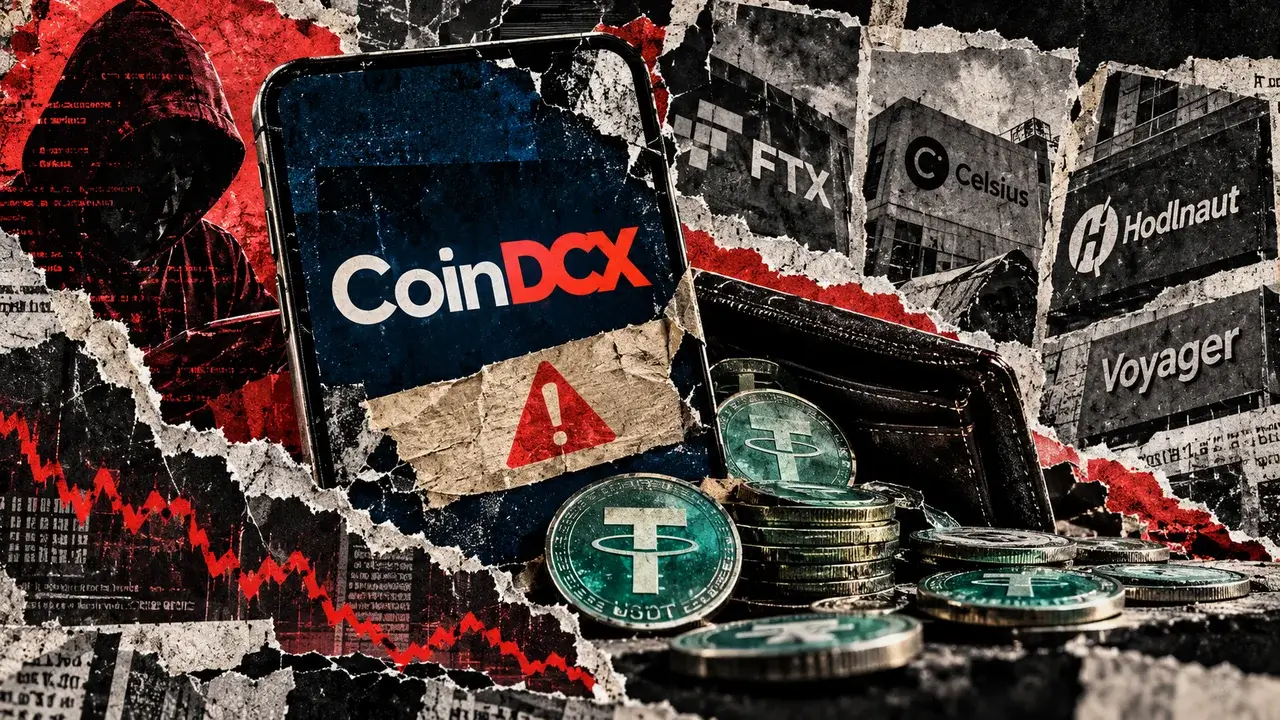
CoinDCX lost approximately $16 million USDT due to technical failures during an automated operational "sweeping" process—a routine procedure where funds are moved from individual user deposit addresses into the exchange's main storage wallets. The loss occurred on the afternoon of October 22, 2026. While CEO Sumit Gupta initially disputed reports of a security breach, the exchange later retracted those denials, confirming that unspecified operational errors during the fund transfer process led to the multi-million dollar deficit.
The incident has sparked significant backlash due to the exchange's inconsistent communication. By first labeling the reports a "false alarm" before admitting to the $16 million loss three days later, CoinDCX has faced criticism from the trading community regarding transparency. The "failed sweeping process" suggests a logic error in the exchange's internal smart contracts or wallet management software, rather than an external hack, which points to a breakdown in internal technical oversight.
For US-focused observers, this event serves as a stark reminder of the "black box" nature of centralized exchange operations, drawing uncomfortable comparisons to the 2022 collapses of FTX and Celsius. Although CoinDCX operates primarily in the Indian market, the use of the US-pegged stablecoin USDT and the global nature of crypto liquidity mean that such losses can impact broader market sentiment and trigger calls for stricter international custody regulations.
Market participants should now closely monitor CoinDCX’s Proof of Reserves (PoR) to determine if the exchange utilizes corporate insurance to cover the gap or if user balances are affected. Investors should watch for any signs of a "bank run" or increased withdrawal wait times, as these are often the first indicators of a deeper liquidity crisis following an operational loss. The incident is likely to accelerate the trend of users moving assets to self-custody solutions to avoid exchange-side technical risks.