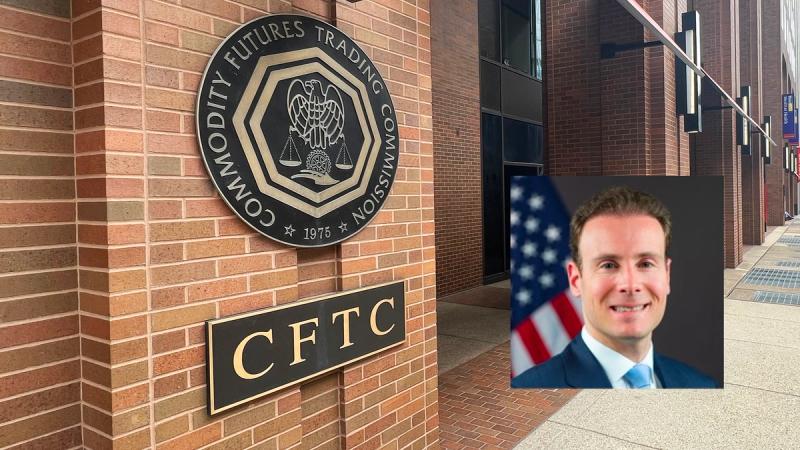
The CFTC is suing the state of Utah to block local authorities from interfering with Kalshi’s ability to offer regulated event contracts, arguing that federal law preempts state gambling statutes. The agency contends that because Kalshi is a designated contract market (DCM), the Commodity Exchange Act (CEA) grants the CFTC exclusive jurisdiction over its operations. By suing Utah, the commission aims to prevent a fragmented regulatory landscape where individual states could shut down federally overseen prediction markets.
This lawsuit is part of a broader strategy led by the CFTC leadership in early 2026 to defend the legitimacy of the prediction market industry. The agency has pursued more than a dozen similar legal actions to shield exchanges from state-level prosecutors who view binary options and event-based betting as unauthorized gambling. For platforms like Kalshi, this federal protection is vital for maintaining a nationwide user base and ensuring liquidity across various political and economic markets.
The outcome of this case carries significant weight for the broader decentralized finance (DeFi) and crypto-adjacent sectors. If the CFTC successfully establishes that prediction markets are strictly federal commodities, it could provide a legal blueprint for crypto-based prediction platforms to seek similar federal recognition or safe harbor. However, a loss could embolden other states to pass restrictive legislation, potentially forcing exchanges to geofence residents of certain jurisdictions.
Investors and platform operators should closely monitor the U.S. District Court for the District of Utah for preliminary injunctions. The main concern for the market is whether this litigation will eventually reach the Supreme Court to settle the boundary between federal commodity regulation and state police powers over gambling. For now, the CFTC’s aggressive stance provides a temporary shield for the burgeoning event contract industry against localized legal threats.