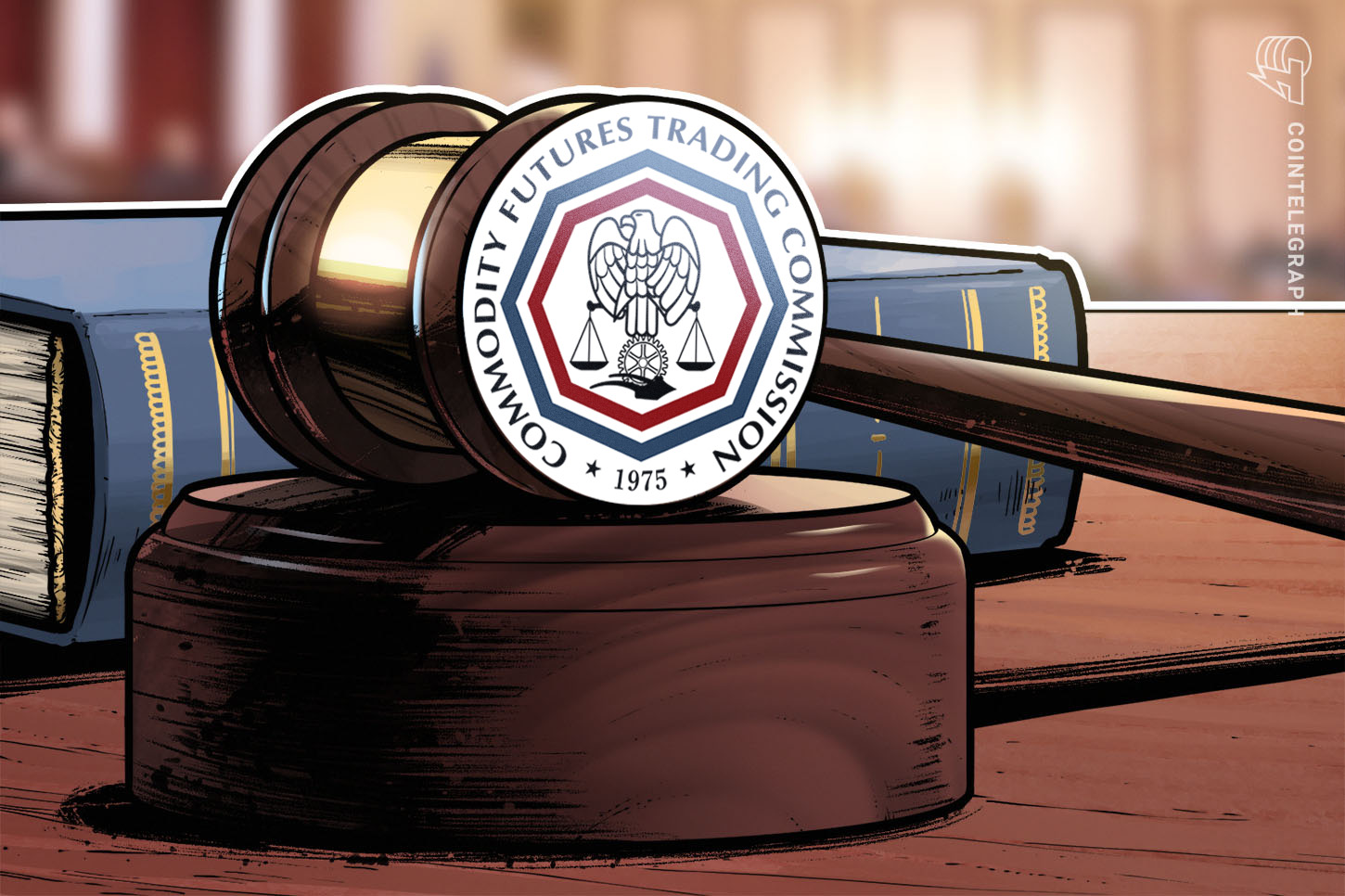
The Commodity Futures Trading Commission (CFTC) has filed a lawsuit against the state of Utah to halt state-level litigation aimed at Kalshi, a regulated prediction market exchange. The move comes after Utah officials sought to recover up to $60 million in profits from Kalshi, alleging that the platform's event contracts violated state-specific gambling and consumer protection statutes. The CFTC’s primary argument is that as a federally registered Designated Contract Market (DCM), Kalshi is subject to exclusive federal jurisdiction, and Utah’s attempt to penalize the exchange constitutes an unlawful interference with federal regulatory authority.
This legal conflict stems from Utah’s recent aggressive stance against event contracts, which allow users to trade on the outcome of real-world events ranging from economic data releases to political races. Utah authorities claim these contracts are equivalent to illegal betting under state law and have moved to claw back revenue generated within their borders. By intervening, the CFTC is signaling that it will not tolerate a fragmented regulatory landscape where individual states can override the rules set by the federal government for derivatives and commodities trading.
The broader regulatory context in 2026 shows a growing tension between state attorneys general and federal agencies over the rapidly expanding prediction market sector. As these platforms gain mainstream adoption for hedging and speculation, the CFTC is working to establish itself as the sole arbiter of what constitutes a valid contract. If Utah were to succeed in its lawsuit, it could set a dangerous precedent, encouraging other states to file similar suits and effectively creating a patchwork of 50 different regulatory frameworks that would be impossible for crypto-adjacent platforms to navigate.
For the crypto and DeFi markets, the outcome of this case will define the level of legal certainty for prediction platforms. A victory for the CFTC would solidify the federal shield for regulated exchanges, likely encouraging more institutional participation and the launch of new contract types. However, a ruling in favor of Utah would likely force platforms like Kalshi to implement strict geofencing, preventing residents of certain states from participating, which would significantly fragment liquidity and reduce the accuracy of these markets as forecasting tools.
Market participants should closely monitor the federal court’s decision on the CFTC’s motion for a preliminary injunction. A stay on Utah’s action would be a positive signal for the industry. Furthermore, observers should watch for potential legislative responses in Congress, as a clarified federal definition of event contracts may be necessary to resolve these jurisdictional disputes once and for all. The ruling will likely influence how decentralized prediction protocols manage their own legal risks in the face of state-level scrutiny.