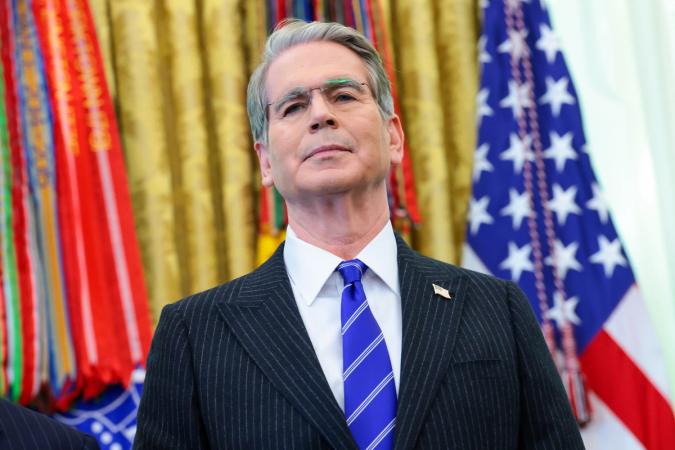
Treasury Secretary Scott Bessent has outlined a strategic pivot to integrate digital assets into the U.S. financial toolkit to preserve the dollar’s global hegemony. By utilizing coordinated actions from the SEC and CFTC, the Treasury intends to provide the regulatory framework that the legislative process failed to deliver via the Clarity Act. This administrative approach focuses on legitimizing stablecoins and digital assets as extensions of the dollar-based financial system rather than competitors to it.
Speaking at a major Ripple conference in early 2026, Bessent addressed the vacuum left by stalled congressional efforts. He emphasized that instead of waiting for a new legislative cycle, the administration is empowering existing regulators to define clear 'rules of the road.' This shift is designed to reclaim the United States' position as a global leader in financial technology while neutralizing geopolitical threats from rival digital currency initiatives.
A major pillar of this 2026 policy is the official stance against 'debanking.' The Treasury is now actively working to curb the practice of financial institutions denying services to legitimate crypto businesses. Bessent argued that a robust, banked domestic crypto market is the best defense against global efforts to de-dollarize, as it keeps capital flows within the U.S. regulatory perimeter.
For the markets, this signals a shift from regulation-by-enforcement to regulation-by-integration. The Treasury’s success will likely be measured by the growth of U.S.-regulated stablecoin reserves, which act as a direct source of demand for U.S. Treasuries. Investors should watch for upcoming joint memorandums from the SEC and CFTC that will codify this new oversight model, providing the institutional guardrails necessary for the next wave of capital entry.