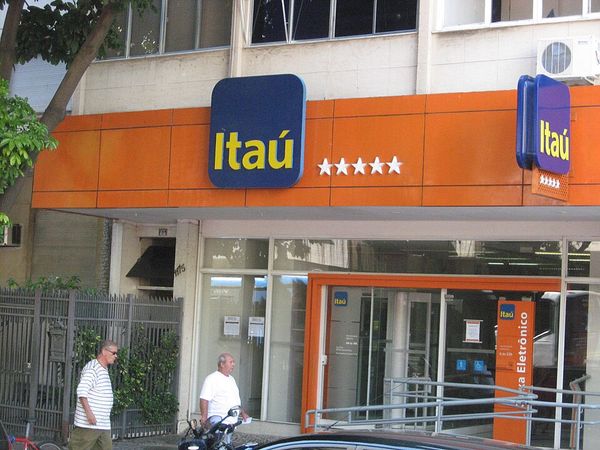
Itaú Unibanco has formalized its status as a licensed crypto broker by notifying the Central Bank of Brazil (BCB) of its digital asset operations ahead of the October 30, 2026, regulatory deadline. By becoming the first major traditional bank to comply with the country’s updated Virtual Asset Service Provider (VASP) rules, Itaú has successfully transitioned its crypto trading and custody services into a fully recognized regulatory environment. This direct answer to the BCB’s mandate ensures that the bank can continue offering Bitcoin and Ethereum services to its massive retail and institutional client base without legal friction.
The notification follows the implementation of a comprehensive regulatory package by the BCB earlier in 2026, designed to bring transparency to the rapidly growing Brazilian crypto market. By formalizing these operations, Itaú is not just checking a compliance box; it is positioning itself as the primary gateway for traditional capital entering the crypto ecosystem. This move is expected to force other major regional players, such as Bradesco and Santander Brasil, to accelerate their own registration processes to remain competitive under the new legal standards.
From a regulatory standpoint, this development is a significant win for the Brazilian Central Bank, which has sought to integrate digital assets into the formal financial system while mitigating risks associated with money laundering and consumer protection. For the global market, Brazil’s success in bringing a "Top 10" global bank into a regulated crypto framework serves as a vital case study for US and European regulators currently struggling with similar institutional integration hurdles.
Looking ahead, investors should watch for Itaú to expand its digital asset suite beyond simple trading and custody. With the formalization complete, the bank is now positioned to explore tokenized real-world assets (RWAs) and potential integrations with Drex, Brazil’s central bank digital currency (CBDC). The October 30 deadline remains a critical date for the rest of the industry, as firms that fail to notify the BCB may face operational restrictions or fines by the end of the year.