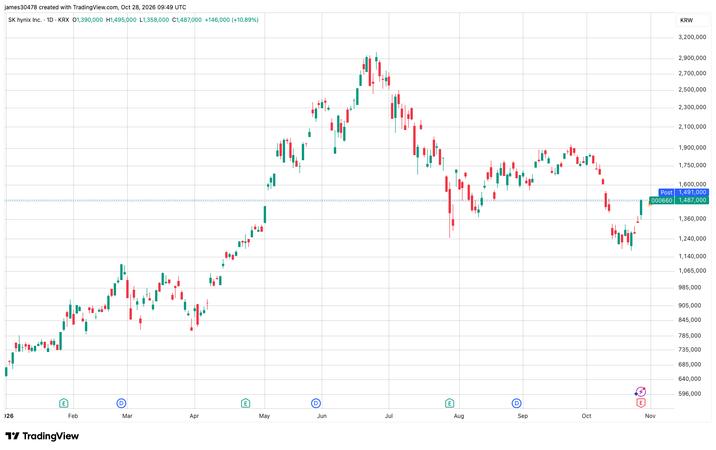
The SK Hynix earnings blowout in early 2026 is acting as a massive tailwind for the AI crypto sector, as the 7% surge in the Kospi index highlights a significant return of risk-on sentiment to the global technology market. As a primary supplier of high-bandwidth memory for AI chips, SK Hynix's success validates the continued expansion of the AI supercycle, providing a fundamental boost to crypto projects involved in decentralized computing, data processing, and AI infrastructure. The direct correlation between semiconductor performance and AI-linked digital assets suggests that this equity rally will likely precede a liquidity rotation into high-beta AI tokens.
The South Korean chipmaker reported a staggering sevenfold profit increase, coupled with a $45 billion commitment to shareholder returns, effectively ending a period of stagnation in the tech sector. This financial strength has stabilized global markets that had recently faced volatility, easing fears of a cooling AI sector. For the crypto market, this translates to increased capital flow into tokens that power decentralized AI training and GPU rendering, as investors seek exposure to the full AI stack beyond traditional equities.
Geopolitically, South Korea’s aggressive push into the AI hardware space secures its position as a critical hub for the 2026 digital economy. This regulatory and economic support in Seoul often leads to increased retail crypto trading volume within the South Korean market, which is known for driving significant price action in AI-linked assets. The strength of the Kospi, led by chipmakers, is a leading indicator for broader speculative moves in the altcoin market, particularly those with strong ties to hardware and computing power.
Investors should now watch for the spillover effect from traditional semiconductor equity strength into major AI tokens like Near Protocol and Render. As SK Hynix ramps up production to meet 2026 demand, any further positive guidance will likely sustain upward pressure on decentralized physical infrastructure networks (DePIN). While the outlook is bullish, the primary risk remains broader macroeconomic shifts in US interest rate policy, which could potentially dampen the global risk-on appetite despite these strong corporate earnings.