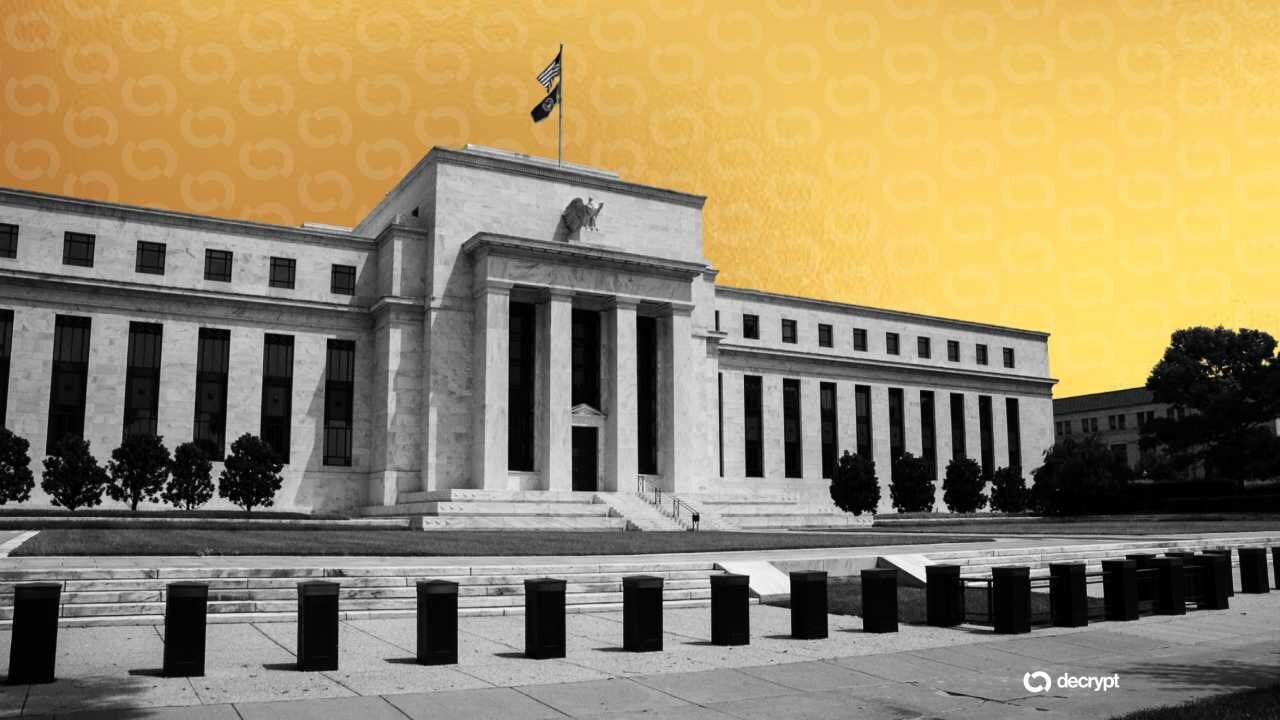
The Federal Reserve’s November 2026 decision to maintain current interest rates has kept Bitcoin prices steady, but the hawkish undertones of the meeting suggest a challenging December for crypto markets. While the majority of the committee voted for a pause, the inclusion of two dissenting votes favoring an immediate hike indicates that the central bank is prepared to tighten monetary policy before the year ends. For Bitcoin investors, this means the current price consolidation may be a precursor to increased volatility as the 'higher-for-longer' narrative regains momentum heading into the final month of the year.
The 10-2 vote saw Governor Lisa Cook and Cleveland Fed President Beth Hammack break from the consensus, advocating for a hike to combat lingering inflationary pressures in the late-2026 economy. This internal friction within the FOMC highlights a shift in sentiment compared to the more dovish quarters earlier this year. Traders are now closely monitoring upcoming macroeconomic data releases, as any sign of a heated economy could solidify the case for a 25 or 50 basis point increase during the December session.
Bitcoin’s reaction to the news has been uncharacteristically muted, holding its ground despite the looming threat of higher borrowing costs. Traditionally, a hawkish Fed puts downward pressure on 'risk-on' assets like cryptocurrencies, as higher yields on government bonds become more attractive to investors. However, BTC’s ability to remain steady suggests that much of the bearish sentiment regarding a December hike may already be priced in, or that institutional demand is providing a significant floor for the asset's valuation.
Looking ahead, the focus shifts to the upcoming Consumer Price Index (CPI) and employment data. These metrics will be the primary catalysts for the Fed's final decision in December. Investors should watch for a 'flight to quality' if the rate hike appears certain, which could lead to a temporary decoupling of Bitcoin from traditional tech stocks or a brief market-wide correction if liquidity tightens significantly across the US financial system.