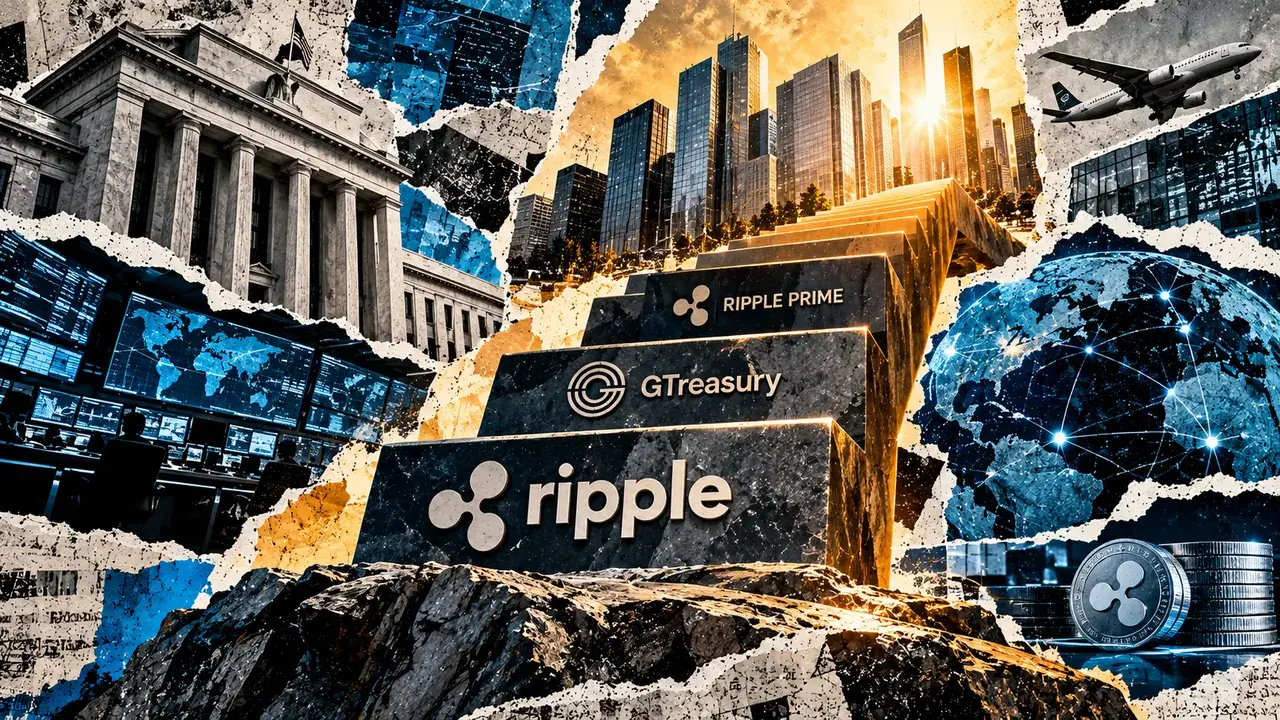
Ripple is currently witnessing a significant decoupling between its corporate financial health and the market value of its native token, XRP. According to an October 28 report, the company is on track to achieve a record $900 million annualized product revenue run rate by the end of 2026. This milestone is driven by aggressive expansion into institutional partnerships and a surge in demand for its blockchain-based liquidity solutions. However, while the business thrives, XRP is simultaneously trending toward its weakest annual price performance in four years, reflecting a complex market environment for investors.
The surge in Ripple’s corporate revenue is largely attributed to the maturity of its enterprise-grade products. Throughout 2026, Ripple successfully transitioned from a primary focus on cross-border payments to becoming a comprehensive infrastructure provider for institutional custody and stablecoin issuance. These services have attracted major global banks and financial institutions, providing Ripple with a stable, fee-based income stream that is fundamentally less dependent on the volatility of the retail crypto market.
Conversely, XRP’s poor price performance highlights a persistent struggle to recapture retail momentum amidst a shifting regulatory landscape in the United States. While Ripple as a company has secured favorable institutional contracts, the XRP token continues to face headwinds from broader market liquidity shifts and the lingering sentiment from previous regulatory cycles. This contrast suggests that institutional adoption of Ripple’s technology does not immediately or automatically translate into buying pressure for the XRP token on public exchanges.
For US-based investors and market participants, this situation creates a "utility versus speculation" narrative that could define the next market cycle. The key factor to watch heading into 2027 will be whether Ripple’s increased revenue leads to further ecosystem development that can eventually drive organic demand for XRP. Investors should monitor Ripple's upcoming Q4 financial disclosures and any new developments regarding its USD-pegged stablecoin, as these could provide the necessary catalyst to bridge the gap between corporate success and token appreciation.