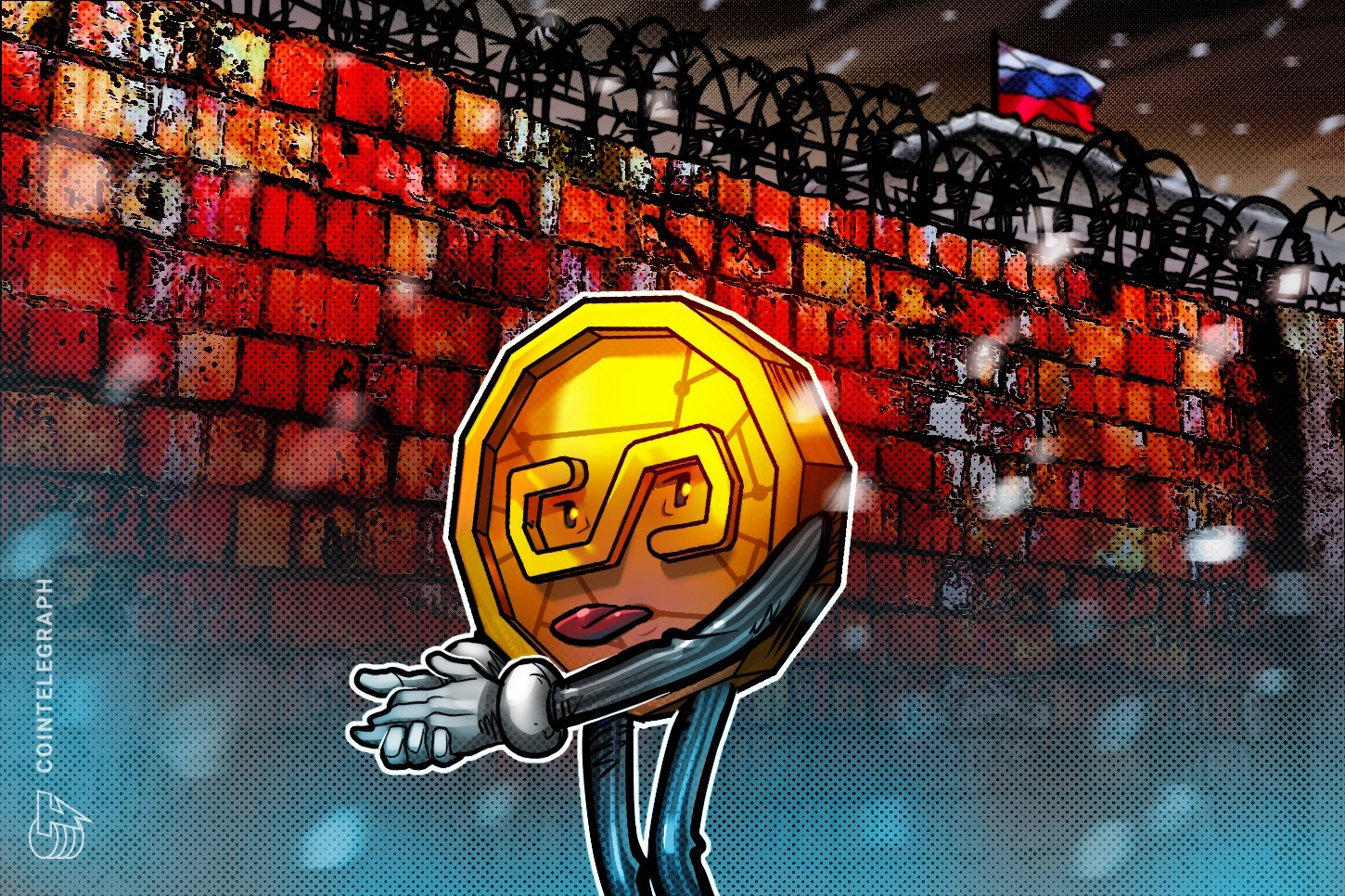
KuCoin has officially halted its operations in Russia and Belarus, citing a mandatory shift toward international legal and regulatory compliance. As of January 2026, users based in these jurisdictions are prohibited from opening new accounts, depositing funds, or engaging in spot and futures trading. The exchange confirmed that these measures are necessary to align with the latest global sanctions targeting the two countries, ensuring the platform remains accessible to its primary Western user base.
The decision comes as global regulators have ramped up pressure on centralized exchanges (CEXs) to implement more sophisticated geofencing and identity verification technologies. For KuCoin, which has historically been a popular alternative for retail traders in Eastern Europe, the exit represents a significant pivot toward a 'compliance-first' business model. Existing users have been granted a limited window to withdraw their assets, but the exchange warned that failure to do so within the specified grace period could result in funds being frozen due to third-party banking restrictions.
From a geopolitical perspective, this suspension reflects the increasing difficulty crypto platforms face when trying to balance decentralized principles with the requirements of the global financial system. The 2026 regulatory climate has left little room for ambiguity, as US and EU authorities have made it clear that any platform facilitating the evasion of sanctions will face severe penalties, including potential blacklisting from the US dollar-clearing system.
For the broader market, the departure of a major liquidity provider from the Russian and Belarusian markets may lead to a surge in volume for decentralized exchanges (DEXs) and peer-to-peer (P2P) platforms. However, it also creates a localized liquidity vacuum that could increase price volatility for major assets like Bitcoin and USDT in the region. Investors should monitor whether other mid-tier exchanges follow KuCoin’s lead, as a coordinated exit would represent a near-total lockout of these populations from the global crypto economy.