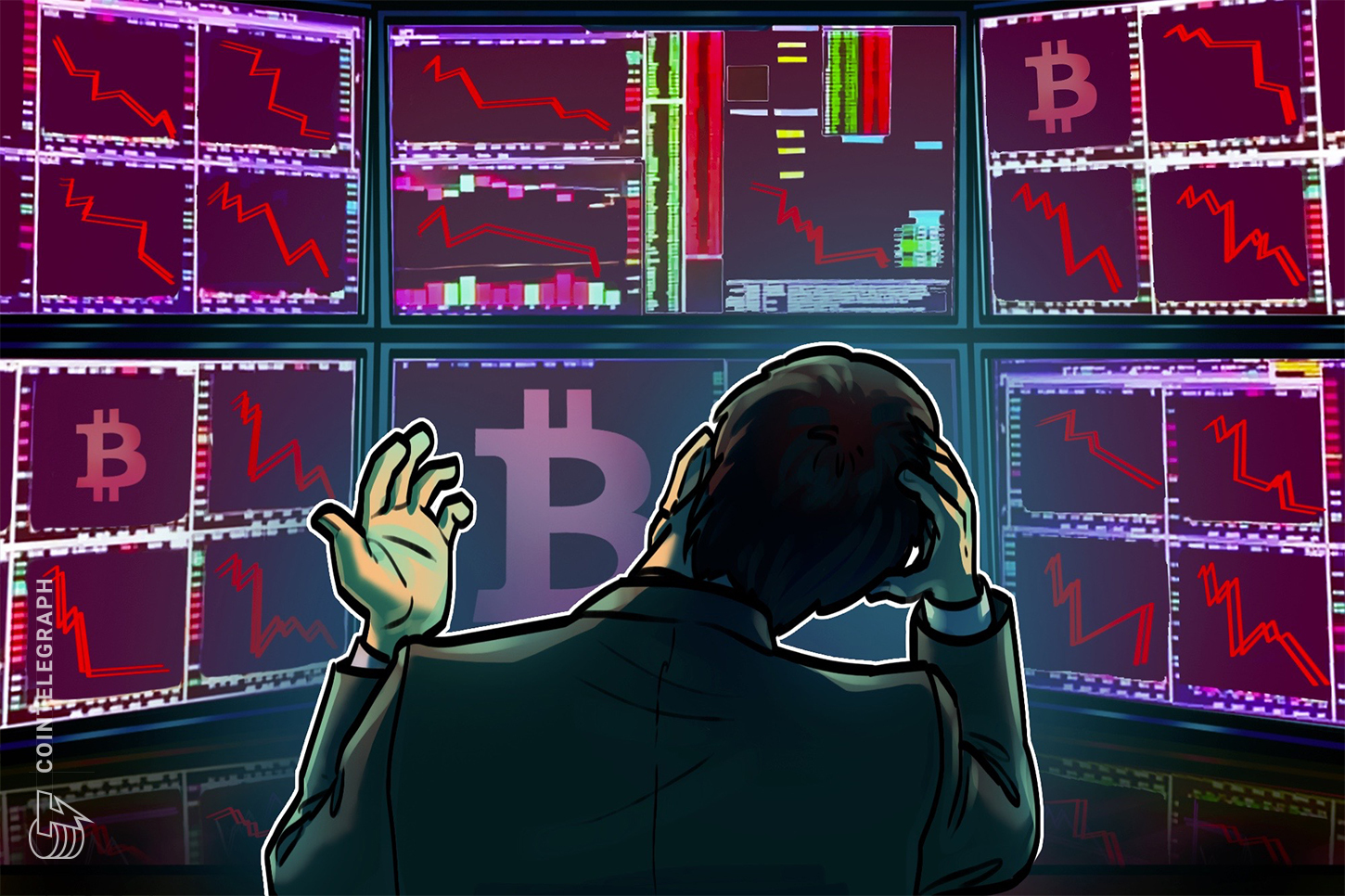
The sharp decline in BNB today is driven by market anxiety over reports of unexplained, multibillion-dollar transfers originating from wallets associated with the Binance exchange. As these large-scale movements were flagged by on-chain analysts, investors reacted by offloading BNB, leading to a 7% drop in its valuation. This localized volatility has spilled over into the broader digital asset space, causing Bitcoin and Ether to tumble as part of a 3.3% total market retracement.
While Binance has not yet released a definitive statement clarifying the nature of these transfers, the lack of immediate communication has fueled rumors of a potential security breach or liquidity event. In the early weeks of 2026, market participants have become increasingly sensitive to exchange-side anomalies, especially given the ongoing focus on proof-of-reserve transparency. The scale of the movement—reportedly involving several billion dollars—has led many traders to move into stablecoins or exit positions entirely to mitigate risk.
From a regulatory perspective, this incident is likely to draw immediate attention from US authorities who have been tightening oversight on exchange custody practices throughout 2026. The sudden movement of such vast sums without prior notice highlights the perceived risks of centralized custody and could accelerate legislative efforts to mandate real-time auditing of exchange-linked wallets. For US retail investors, the event serves as a reminder of the volatility inherent in exchange-specific tokens during periods of operational uncertainty.
Market participants should closely monitor official Binance social media channels and verified blockchain explorers to see if the funds are moved to known cold storage addresses or consolidated in a way that suggests routine maintenance. If the exchange confirms the transfers were part of a planned security upgrade, the market may see a swift recovery. However, until clarity is provided, the pressure on BNB and the wider market is expected to remain bearish as liquidity providers remain cautious.