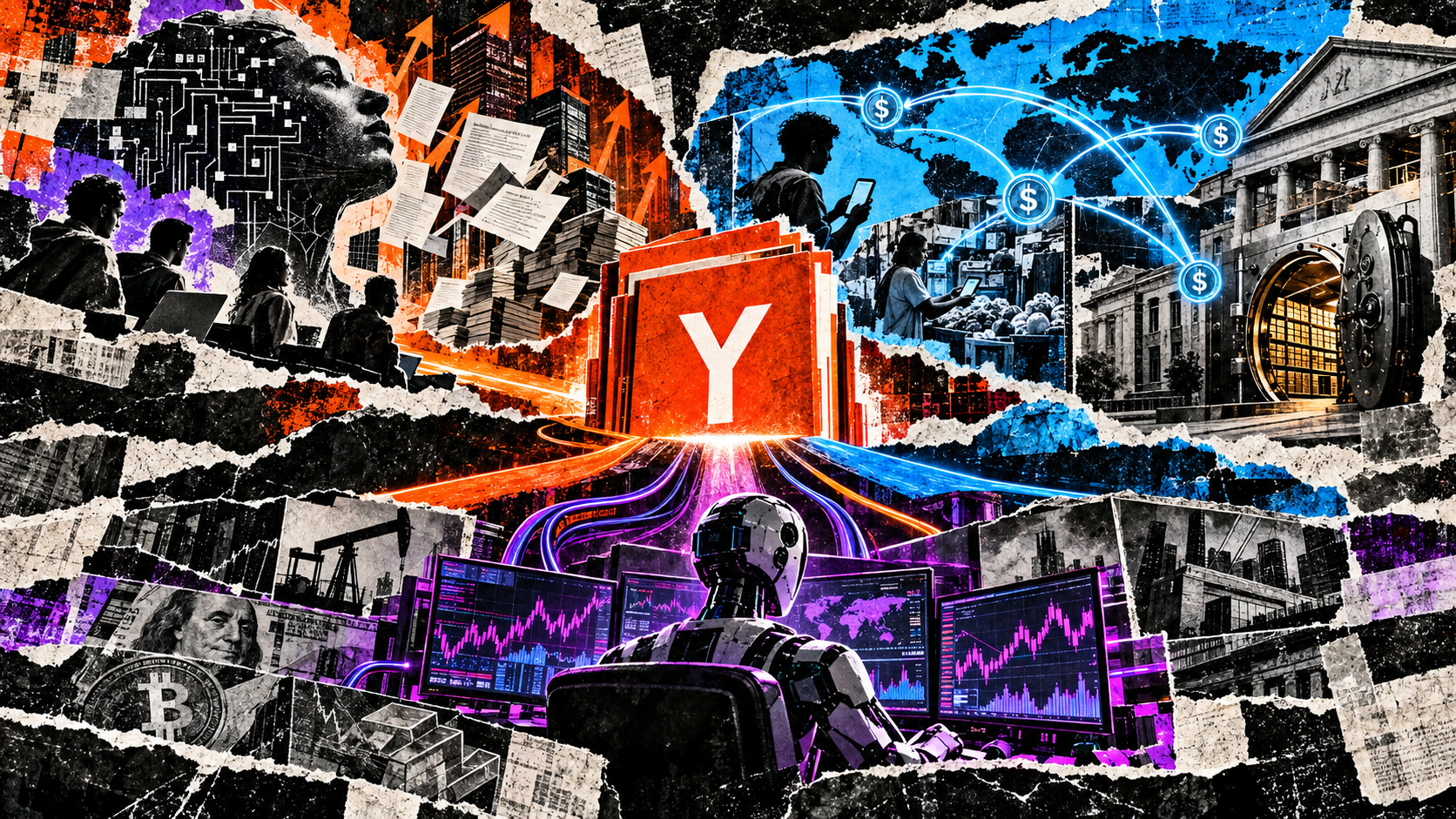
Silicon Valley venture capital firms and startup incubators are increasingly adopting Ethereum’s initial coin offering (ICO) framework to facilitate funding for artificial intelligence startups. This movement, highlighted by an October 2026 startup request cycle, utilizes blockchain-based capital raising to streamline the development of stablecoin payments, decentralized trading, and autonomous agent infrastructure. By leveraging smart contracts, these AI projects can secure liquid capital more efficiently than through traditional equity rounds, allowing for faster scaling of compute-intensive resources.
The resurgence of the ICO blueprint is driven by the growing demand for "agentic" infrastructure, where AI agents require native on-chain wallets to transact independently. As Silicon Valley pivots toward these decentralized models, the focus has shifted from mere speculation to utility-driven tokens that power compute-sharing and data-labeling networks. The upcoming November 2, 2026, deadline for these startup applications marks a significant milestone in the convergence of AI and crypto, potentially setting the stage for a new wave of institutional DeFi adoption.
From a regulatory standpoint, the 2026 landscape has evolved to provide more clarity for compliant token launches in the United States, making the "ICO 2.0" model more attractive to both founders and institutional investors. The integration of stablecoins as the primary medium of exchange within these AI ecosystems ensures price stability for compute costs, mitigating the volatility typically associated with early-stage crypto assets. This trend also reflects a broader geopolitical race to lead in sovereign, decentralized AI development.
Investors and developers should monitor the November 2 deadline as a bellwether for the next cycle of AI-crypto tokens. The success of these startups will likely influence the valuation of Layer 1 networks like Ethereum that host the funding and operational layers. Moving forward, readers should watch for specific developments in "agent infrastructure," as this sub-sector is poised to become a primary driver of on-chain transaction volume and liquidity throughout 2027.