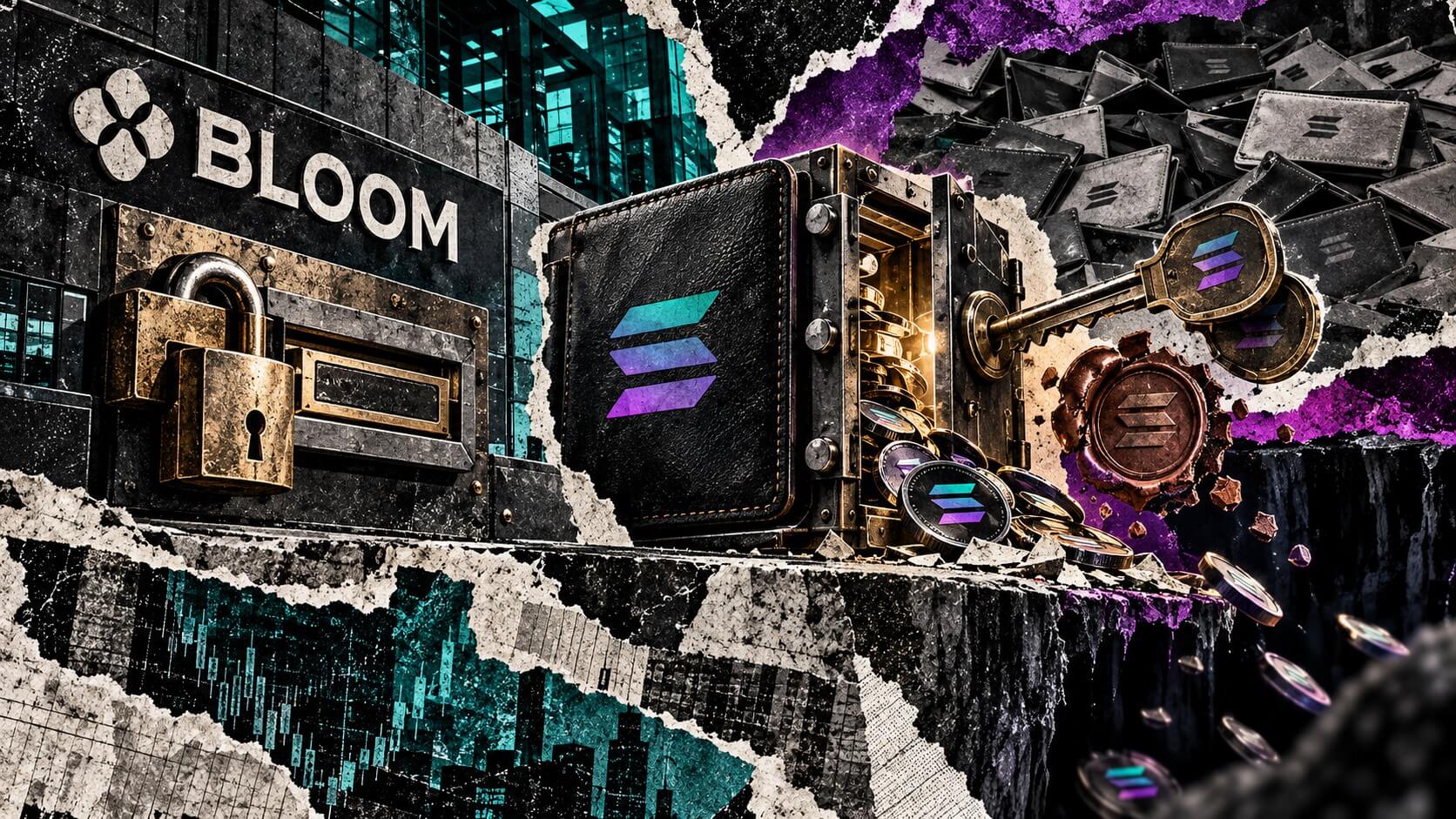
Hackers drained approximately 9,400 SOL from Solana-based bot wallets in early 2026 by exploiting copied owner-key signatures and vulnerabilities found in older wallet versions. While initial reports pointed toward a platform-wide breach, investigations revealed that the exploit targeted specific legacy configurations where keys had been mirrored or signatures cached in unsecured environments. This allowed the attackers to authorize transactions without the direct consent of the wallet owners, effectively bypassing standard multi-factor hurdles.
In response to the incident, BloomTrading issued a formal denial regarding a compromise of their central private-key infrastructure. The firm clarified that the drain affected users who had not updated their security protocols or rotated their keys following previous service migrations. This incident highlights a growing trend in the 2026 DeFi landscape where 'service-control' vulnerabilities—rather than direct smart contract bugs—are becoming the primary vector for high-value asset theft on high-speed networks like Solana.
From a regulatory standpoint, this event is likely to draw fresh attention from US authorities regarding the oversight of automated trading tools and the legal responsibilities of 'non-custodial' platforms that facilitate key-based signatures. As Solana continues to dominate the high-frequency trading sector in 2026, the friction between user convenience and security remains a major hurdle for retail adoption. The incident has already sparked a debate on whether trading bots should be required to implement hardware-level signature requirements for all transactions over a certain threshold.
Market sentiment for Solana took a minor hit following the news, as traders grew cautious of keeping large balances in hot wallets linked to third-party APIs. Moving forward, readers should watch for a potential mandatory migration to ‘Vault-to-Bot’ architectures, which isolate main funds from the active trading environment. Additionally, BloomTrading is expected to release a detailed forensic report to restore user confidence and outline new mandatory rotation schedules for all legacy users.